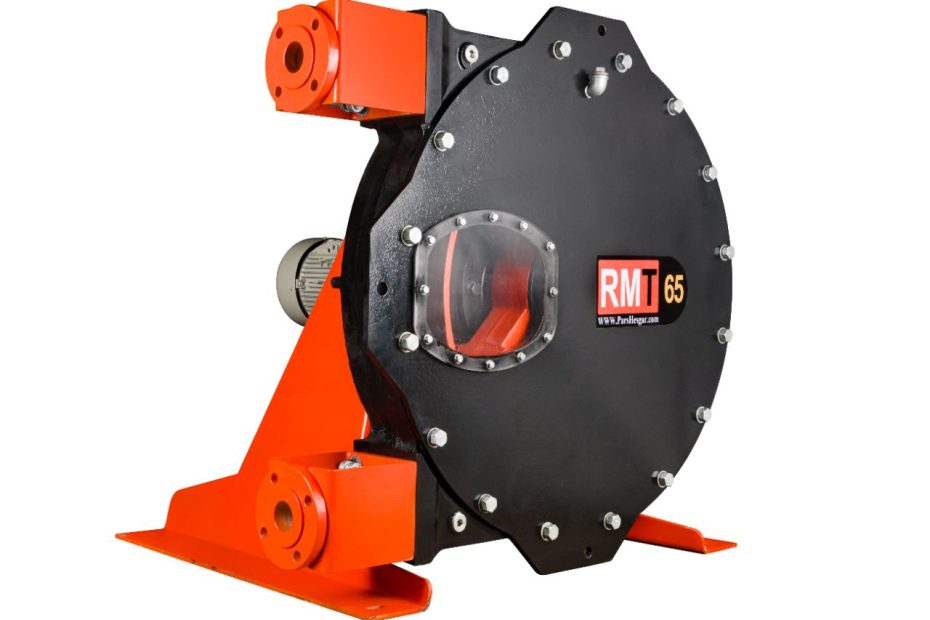
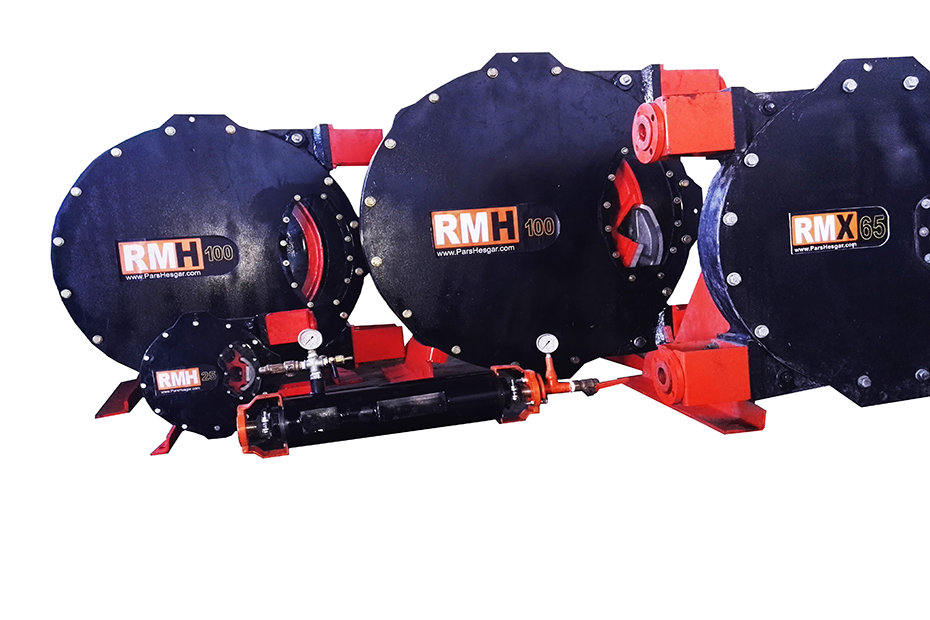
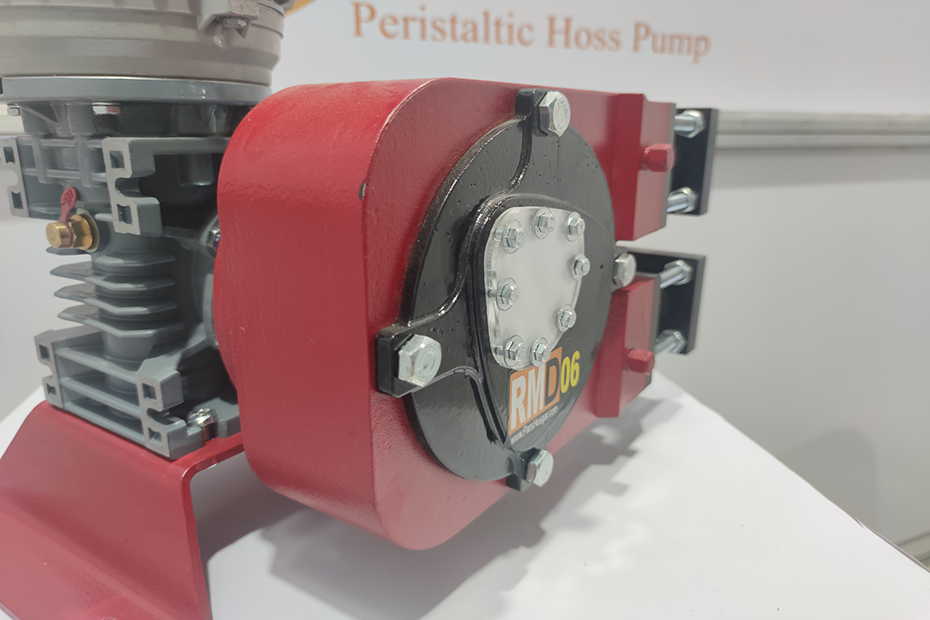
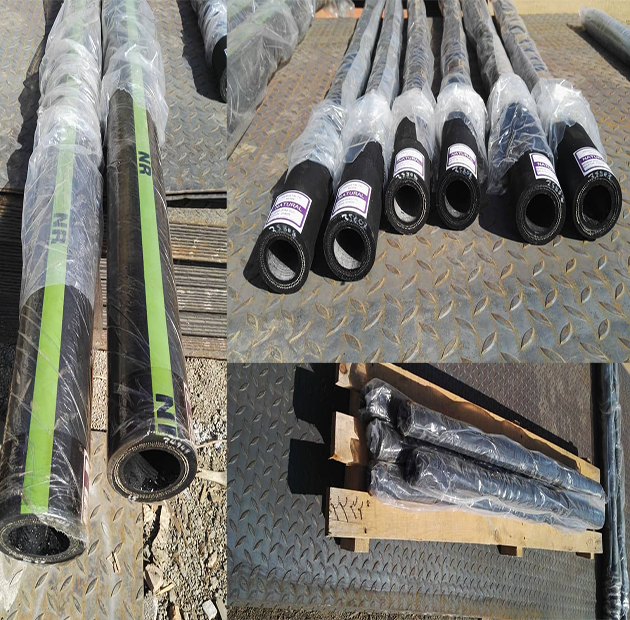
Hose pumps (peristaltic pumps) are a type of positive displacement pump that, over the past decades, have gained an increasingly important role in the mining and mineral processing industries. Their high efficiency, reliability, and compatibility with harsh mining environments have made them a trusted choice among engineers and plant operators.
Below are the main advantages of hose pumps and their comparison with centrifugal pumps in similar applications.
- Superior slurry handling: Hose pumps can easily transfer slurries with solid concentrations above 40%, without being sensitive to particle size. In contrast, centrifugal pumps experience rapid wear and reduced efficiency under such conditions.
- Handling of viscous and abrasive fluids: Hose pumps can efficiently pump high-viscosity, abrasive, and corrosive materials without internal component wear, as the fluid only contacts the inner hose surface.
- Strong suction capability: These pumps can achieve suction pressures up to –0.8 bar, ideal for demanding mining and dewatering applications.
- Linear flow control: Flow rate in hose pumps changes linearly with speed, allowing them to be used effectively as dosing or metering pumps.
- Gentle fluid transfer: Due to their low operating speed, hose pumps provide a smooth, low-shear flow, making them ideal for shear-sensitive or delicate materials.
- No need for mechanical seals: Hose pumps are seal-free, eliminating leakage risks and reducing both maintenance complexity and cost.
- Self-priming design: Unlike centrifugal pumps, hose pumps are self-priming, making them superior for pit or sump dewatering and transferring fluids from below-grade sources.
- Bidirectional operation: The flow direction can be easily reversed, allowing the pump to clear blockages in the suction line quickly and efficiently.
- Low maintenance costs: In abrasive and corrosive slurry services, centrifugal pumps often suffer severe impeller and casing erosion, requiring frequent replacement. In hose pumps, however, only the hose element is in contact with the fluid, meaning minimal wear and no internal corrosion or leakage when properly designed and maintained.
- Energy efficiency: Hose pumps require less power than centrifugal pumps for slurry transfer, resulting in lower energy consumption and reduced operational costs.
In summary, peristaltic (hose) pumps offer significant operational and economic advantages in mining and process industries, especially where slurries, high-viscosity fluids, or abrasive materials are involved. Their combination of reliability, efficiency, and ease of maintenance makes them a superior alternative to traditional centrifugal pumps.