The transfer of hot, acidic, and corrosive slurries is one of the most demanding pumping applications in mining, mineral processing, and certain chemical industries. High temperature, high solids concentration, abrasive particles, corrosive properties, and high viscosity can significantly increase pump wear and affect the reliability of the pumping system.
Under such demanding operating conditions, selecting the appropriate pump technology is essential. GEHO pumps from Weir Minerals are positive displacement piston-diaphragm pumps designed for the transportation of slurries under high-pressure, high-solids, and high-temperature conditions.
GEHO Pump Design for Hot Slurry Transfer
GEHO pumps incorporate several specialized components designed to handle demanding slurry applications. Important components include the separator, cooling system, and diaphragm.
Separator: Preventing Direct Heat Transfer
One of the important features of the GEHO design is the separator, which prevents direct heat transfer between the hot slurry and the cooling section of the pump.
In larger pumps, this function is performed by a free-floating disc separator that follows the movement of the diaphragm and piston. This design helps manage thermal conditions within the pump and supports operation with high-temperature slurries.
Diaphragm: Isolating the Slurry from Moving Parts
The diaphragm is another critical component of the GEHO pump design. It separates the slurry from the moving mechanical components and prevents direct contact between the slurry and these parts.
This separation can be particularly beneficial when handling slurries containing solids or having highly abrasive or corrosive characteristics, as it reduces direct exposure of the mechanical components to the process fluid.
According to the specifications provided for this pump range, the moving parts can operate with extended inspection and maintenance intervals, with an inspection interval of approximately 8,000 hours stated for certain components. The separator and valves are among the main wear components of the pump.
GEHO Pump Technical Specifications
The GEHO pump range is designed for a wide range of demanding slurry-transfer applications. The stated specifications include:
- Capacity: up to 1,600 m³/h
- Discharge pressure: up to 30,000 kPa (300 bar)
- Slurry solids concentration: up to 85%
- Viscosity: up to 8,000 mPa·s
- Maximum yield stress: up to 200 Pa
- Pump efficiency: up to 96%
- Slurry temperature: up to 230°C
- pH range: 1–14
These specifications demonstrate the capability of this pump range for applications involving high pressure, high solids concentration, high viscosity, and elevated slurry temperatures.
Why Pump Selection Matters for Hot and Corrosive Slurries
When selecting a slurry pump, flow rate and discharge pressure are not the only parameters that need to be considered. Important process conditions include solids concentration, particle size and characteristics, viscosity, yield stress, slurry temperature, pH, abrasiveness, and corrosiveness.
At high temperatures, the mechanical and hydraulic design of the pump, separation of the process fluid from moving components, and thermal management become particularly important.
An unsuitable pump can result in accelerated wear, component failure, unplanned downtime, and increased maintenance costs.
Comparing GEHO Pumps and Peristaltic Hose Pumps for Hot Slurry Transfer
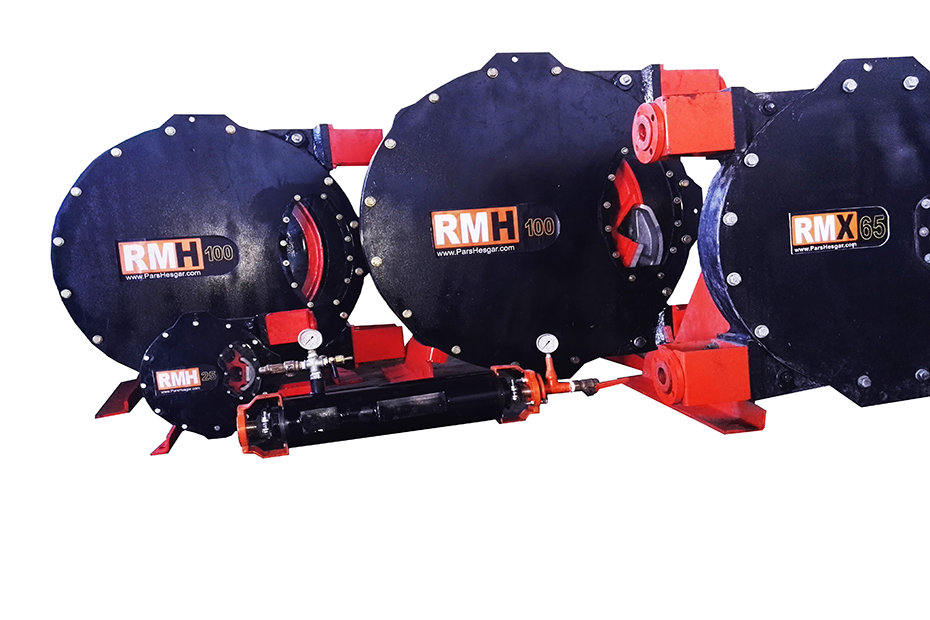
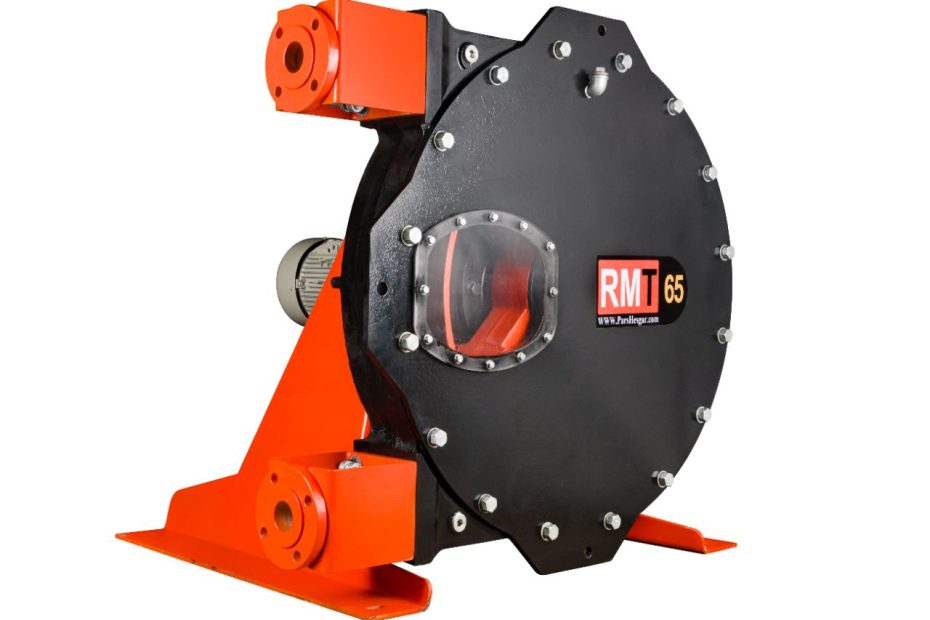
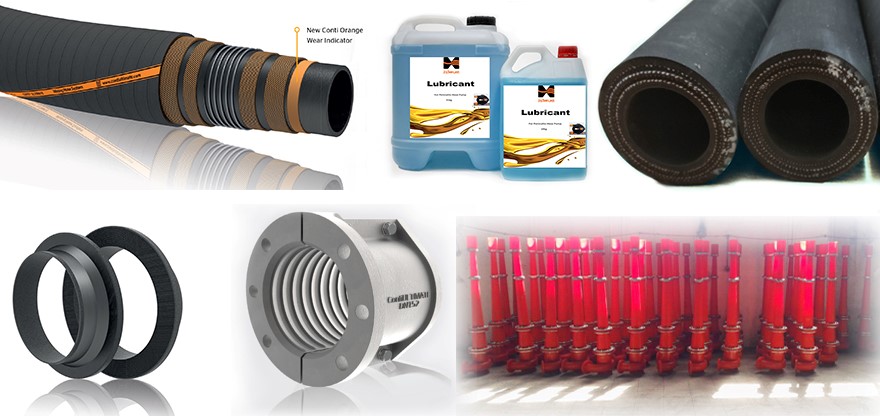
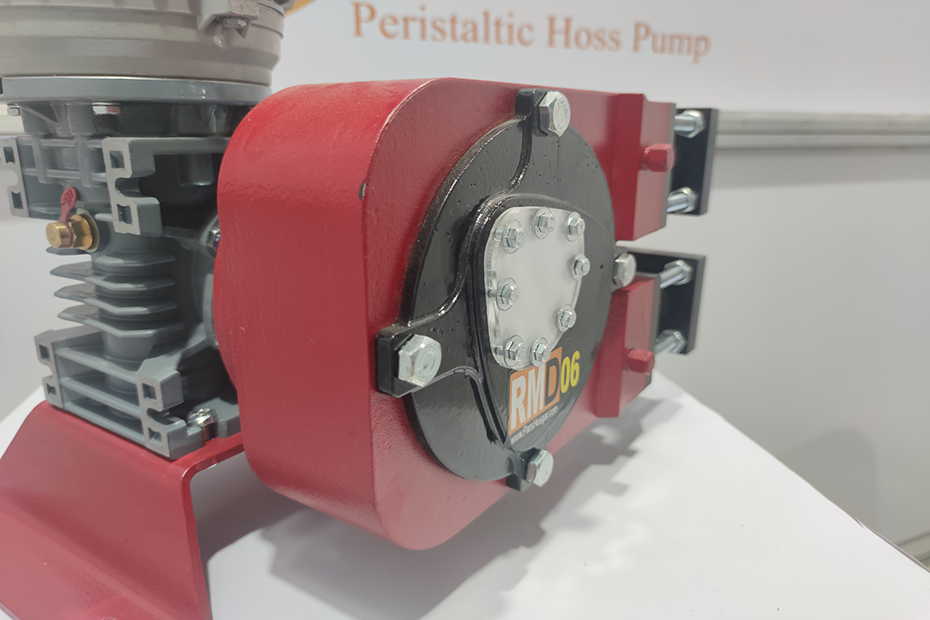
Peristaltic hose pumps are also widely used for transferring slurries, abrasive fluids, fluids containing suspended solids, and corrosive process fluids. However, temperature is one of the key factors that must be considered when selecting a peristaltic hose pump.
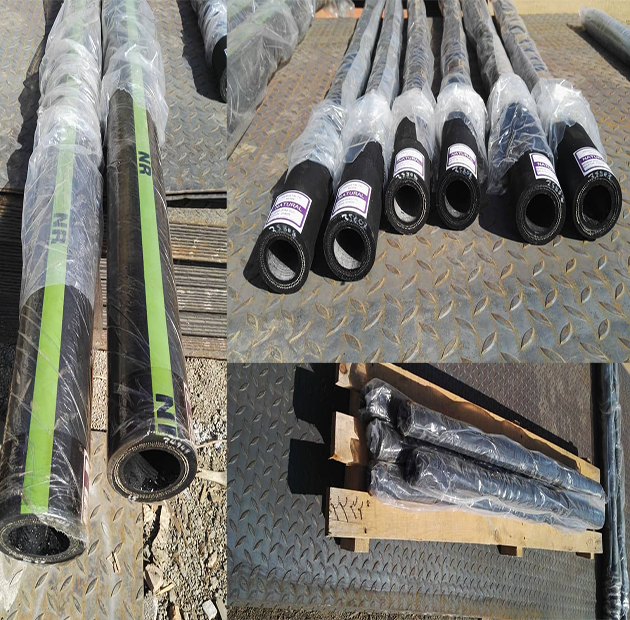
In a peristaltic hose pump, the process fluid remains inside the flexible hose while the hose is repeatedly compressed and released during operation. Therefore, hose material and slurry temperature have a direct effect on hose performance and service life.
The allowable operating temperature is not the same for all peristaltic hose pumps. It depends on factors such as hose material, pump model, fluid characteristics, pressure, pump speed, and operating conditions. For many industrial hose pumps, the practical operating temperature range is significantly lower than the temperatures that can be handled by specialized high-temperature slurry pumping technologies.
Consequently, when slurry temperatures reach very high levels, such as 150°C, 200°C, or 230°C, a peristaltic hose pump is generally not the first choice for direct transfer of the hot slurry. A pumping technology specifically designed for such high-temperature service may be more appropriate.
On the other hand, for many slurry applications at lower temperatures, peristaltic hose pumps can offer important advantages. The process fluid is contained within the hose, there is no mechanical seal in direct contact with the pumped fluid, and the pump can handle abrasive and solids-laden fluids effectively.
For this reason, the choice between a GEHO piston-diaphragm pump and a peristaltic hose pump should be based on the actual operating conditions rather than on the pump type alone. Flow rate, discharge pressure, temperature, solids concentration, particle size, viscosity, yield stress, pH, abrasiveness, and corrosiveness should all be evaluated before selecting the appropriate technology.
Conclusion
For the transfer of hot, acidic, corrosive, and high-solids slurries, selecting a pump specifically designed for the actual operating conditions is essential.
GEHO piston-diaphragm pumps provide a solution for demanding high-pressure and high-temperature slurry applications, while peristaltic hose pumps can be an effective choice for many abrasive, corrosive, and solids-laden slurry applications within their applicable temperature and pressure ranges.
The final pump selection should therefore be based on a detailed assessment of flow rate, pressure, temperature, solids concentration, viscosity, yield stress, pH, particle characteristics, and the abrasive and corrosive properties of the slurry.
source: https://t.me/pumpindustryevents