Desulfurization processes in industries such as steel, coal, power generation, and waste-to-energy often involve the handling of challenging fluids. One of the key challenges is the transfer of lime slurry, which can contain a high concentration of solids and may cause significant wear and corrosion in conventional pumping equipment.
Selecting the right pump for lime slurry transfer is therefore important for maintaining process stability, reducing maintenance requirements, and minimizing unplanned production downtime.
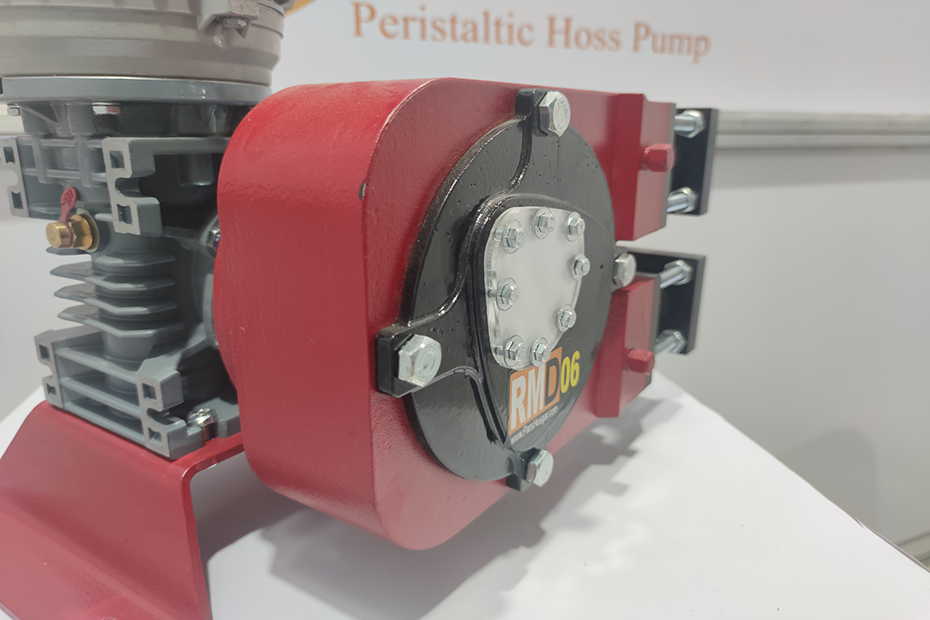
In many applications, peristaltic hose pumps can provide a suitable solution for transferring abrasive and chemically challenging slurries. Because the fluid is contained inside the hose, it has no direct contact with most of the pump’s mechanical components.
The Challenge of Pumping Lime Slurry
Lime is widely used in various desulfurization processes. When mixed with water, the resulting slurry contains solid particles that can create demanding conditions for pumping equipment.
Depending on the process, factors such as solids concentration, particle size, viscosity, pressure, temperature, and flow rate can significantly affect pump performance and component life.
If the pumping system is not properly selected, common problems may include:
- Rapid wear of components exposed to the slurry
- Reduced pump performance
- Increased maintenance requirements
- Leakage and seal-related problems
- Higher spare-parts costs
- Unplanned equipment shutdowns
- Increased production downtime
For this reason, pump selection for lime slurry should not be based solely on the required flow rate and pressure. The actual properties of the slurry and operating conditions should also be considered.
Why Use a Peristaltic Hose Pump for Lime Slurry?
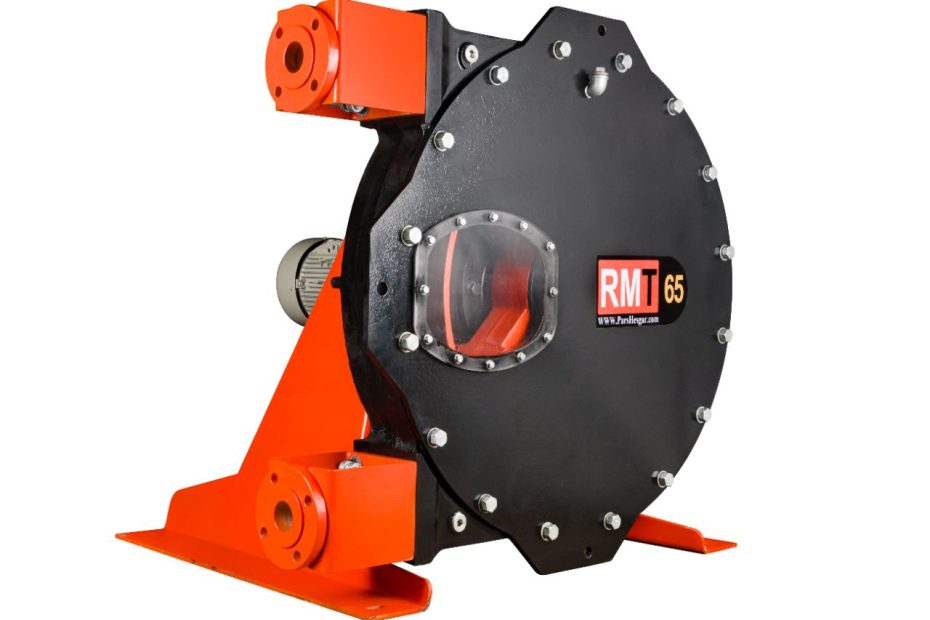
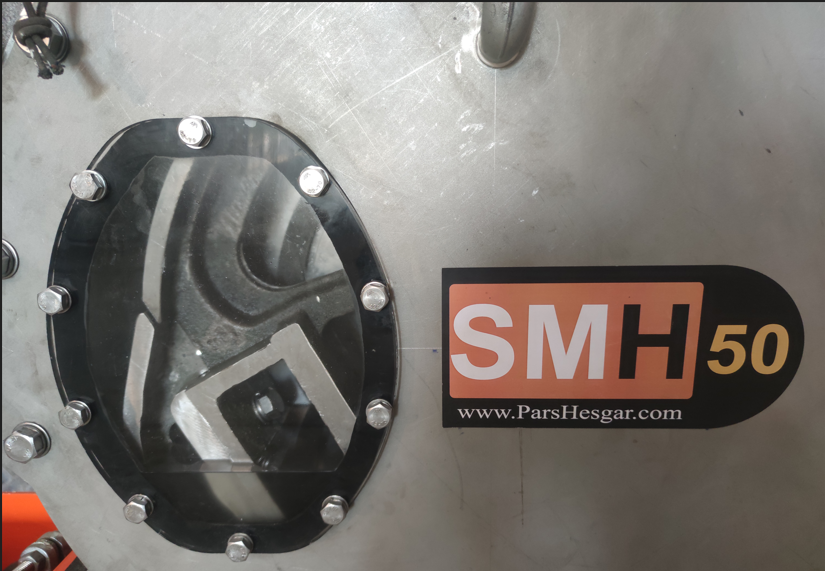
In a peristaltic hose pump, the rotor continuously compresses the hose, moving the fluid toward the discharge side. The pumped fluid remains inside the hose and therefore has no direct contact with the pump’s main mechanical components.
This operating principle can be particularly beneficial when handling abrasive or chemically aggressive slurries.
Limited Contact Between the Slurry and Mechanical Components
Because the slurry flows inside the hose, the main mechanical components of the pump are isolated from direct exposure to the process fluid.
This can be an important advantage when pumping fluids containing abrasive particles or corrosive chemicals.
Handling of Solids-Containing Slurries
Peristaltic hose pumps are widely used for transferring different types of slurries and fluids containing suspended solids.
Their design allows the pump to handle challenging fluids that may cause significant wear in equipment where the process fluid comes into direct contact with mechanical components.
No Dynamic Seal in the Fluid Path
The process fluid is contained inside the hose, eliminating the need for a conventional dynamic shaft seal in the fluid path.
This design can help reduce certain leakage and maintenance issues associated with traditional sealing arrangements.
Maintenance Considerations
With proper pump and hose selection, routine maintenance of a peristaltic hose pump can focus largely on the hose and other wear components.
However, hose service life depends on several factors, including pressure, pump speed, compression frequency, temperature, hose material, and the characteristics of the pumped fluid.
Centrifugal Pumps vs. Peristaltic Hose Pumps for Lime Slurry
Centrifugal pumps are widely used throughout industry and can be suitable for many slurry applications. However, when the process fluid contains abrasive solids or has challenging chemical properties, wear of components in direct contact with the fluid can become an important operating consideration.
In a peristaltic hose pump, the slurry is contained within the hose, significantly reducing direct exposure of the pump’s mechanical components to the process fluid.
The choice between centrifugal and peristaltic pumping technology should therefore be based on the actual process requirements.
Important parameters include:
- Required flow rate
- Discharge pressure
- Solids concentration
- Particle size
- Fluid viscosity
- Abrasiveness
- Chemical characteristics
- Fluid temperature
- Suction conditions
- Operating hours and duty cycle
- Maintenance requirements
No single pump technology is the best choice for every application. Proper pump selection must be based on the actual process conditions.
Watson-Marlow Bredel Experience with Lime Slurry
A notable example of the use of hose pump technology for lime slurry transfer comes from Watson-Marlow, one of the recognized manufacturers of peristaltic hose pumps.
For a Waste-to-Energy facility in Europe, Watson-Marlow recommended hose pumps for transferring lime slurry in an application where severe wear associated with abrasive and chemically challenging slurry was an important concern.
Following the implementation of hose pump technology, the problems associated with severe wear were significantly reduced.
The facility currently operates eight Bredel hose pumps for this application.
This example demonstrates how peristaltic hose pump technology can be considered for applications where abrasive slurries create demanding operating conditions for conventional pumping equipment.
The Importance of Hose Selection
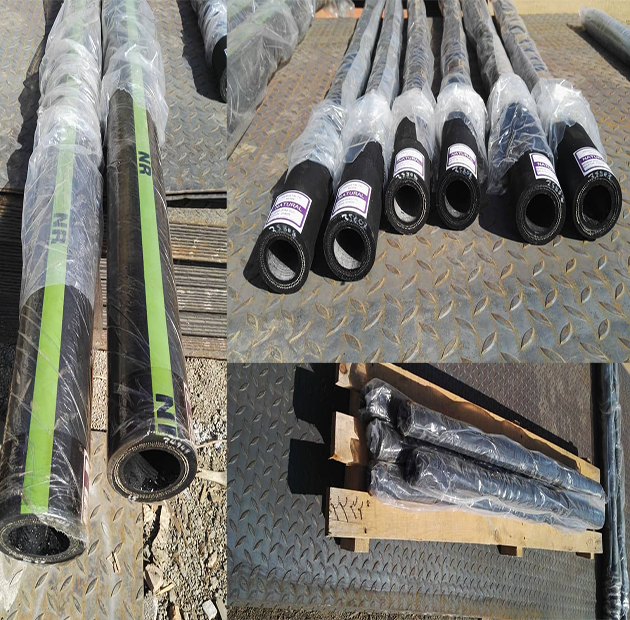
The hose is one of the most important working components of a peristaltic hose pump. It is not simply a passage for the process fluid; it is an essential part of the pumping mechanism.
For lime slurry applications, hose selection should take into account factors such as:
- Hose material
- Internal diameter
- Wall thickness
- Operating pressure
- Fluid temperature
- Chemical compatibility
- Abrasion resistance
- Compression frequency
- Pump speed
Selecting an unsuitable hose can result in premature wear, more frequent hose replacement, increased maintenance costs, and unnecessary downtime.
For this reason, hose selection should be considered together with pump selection rather than as a separate decision.
Selecting a Peristaltic Hose Pump for Desulfurization Applications
Selecting the correct peristaltic hose pump for a desulfurization process requires a detailed understanding of the actual operating conditions.
The following information should normally be evaluated:
Flow rate: The required volume of lime slurry to be transferred per unit of time.
Discharge pressure: The pressure required at the discharge point, including pressure losses throughout the piping system.
Solids concentration: The amount of solid material in the slurry, which can have a significant effect on fluid behavior and abrasion.
Particle size: The size and characteristics of solid particles can affect hose wear and overall pumping performance.
Fluid temperature: The operating temperature must be compatible with the selected hose and pump.
Suction conditions: Suction lift, inlet piping, and other suction-side conditions should be considered during pump selection.
Duty cycle: Whether the pump operates continuously or intermittently, as well as the number of operating hours, can affect hose service life and pump selection.
Evaluating these parameters helps determine the appropriate pump model, size, operating speed, and hose specification for the application.
Pars Hesgar Paj: Technical Support for Peristaltic Hose Pump Applications
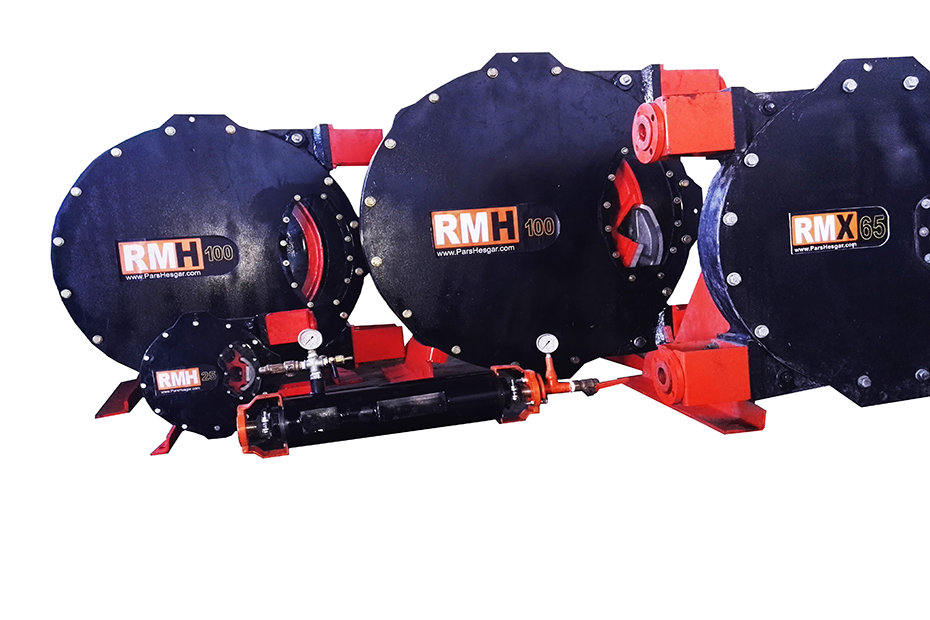
Pars Hesgar Paj specializes in peristaltic hose pump technology and provides technical consultation for industrial applications involving abrasive, corrosive, and solids-containing fluids.
In applications such as lime slurry transfer, mineral slurries, and other demanding industrial processes, pump selection should not be based simply on the name of the fluid.
Actual process conditions, including flow rate, pressure, solids concentration, particle size, temperature, abrasiveness and operating pattern, should be evaluated before selecting the pump and hose.
Pars Hesgar Paj uses this process-oriented approach to help customers select suitable peristaltic hose pumps, hoses, and related equipment according to their specific operating conditions.
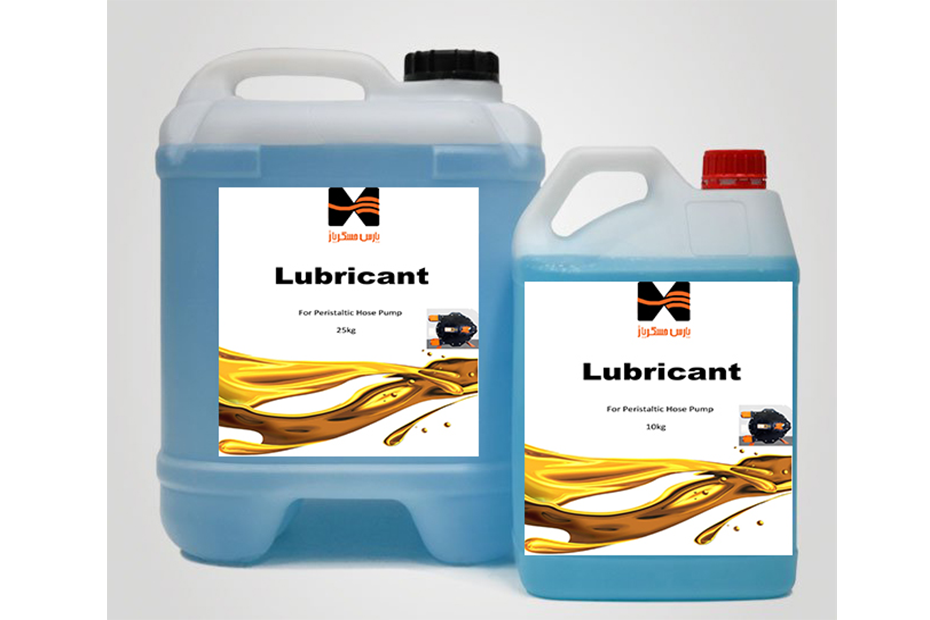
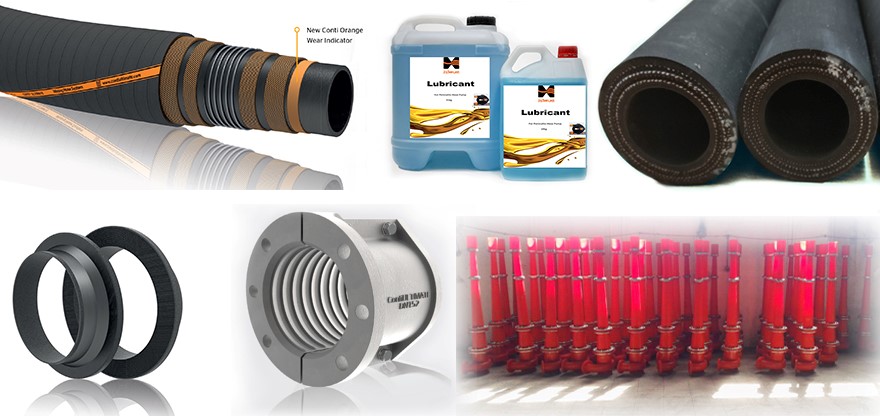
Proper selection of the pump, hose, and lubricant can play an important role in improving equipment reliability, extending hose service life, and reducing maintenance requirements.
Advantages of Peristaltic Hose Pumps for Lime Slurry Transfer
When correctly selected and operated, a peristaltic hose pump can provide several advantages for lime slurry and other solids-containing applications:
- Reduced direct exposure of mechanical components to abrasive slurry
- Ability to handle many types of solids-containing fluids
- Elimination of a conventional dynamic shaft seal from the fluid path
- Suitability for various abrasive and chemically challenging fluids
- Potential reduction in maintenance requirements
- Reliable operation in demanding industrial applications
- Controlled fluid transfer for applications requiring stable flow
- Potential reduction in downtime associated with component wear
The actual benefits, however, depend on the process conditions, pump configuration, hose selection, and operating parameters.
Conclusion
Lime slurry transfer in desulfurization processes can create significant challenges for pumping equipment because of the presence of solid particles, abrasive characteristics, and the chemical properties of the fluid.
In such applications, a peristaltic hose pump can be an appropriate technology to consider because the process fluid remains inside the hose and has limited direct contact with the pump’s mechanical components.
The use of Watson-Marlow Bredel hose pumps in a European Waste-to-Energy facility, where eight hose pumps are currently in operation, provides an example of this technology being used for lime slurry transfer in a demanding industrial application.
Pars Hesgar Paj provides technical consultation and solutions for peristaltic hose pump applications, including pump and hose selection for industrial and mining processes involving abrasive and solids-containing fluids.
Ultimately, the most suitable pumping solution should be selected based on the actual flow rate, pressure, solids concentration, particle size, temperature, abrasiveness, suction conditions, and duty cycle of the process.