Process water management plays an important role in the stability and efficiency of sand and gravel operations, as well as projects involving pit dewatering and the management of return water flows.
Water used in these processes may contain suspended solids and abrasive particles, which can significantly affect pump performance and equipment service life.
Proper water management and the selection of suitable pumping equipment can help reduce operational downtime, control energy consumption, extend equipment life, and lower maintenance costs.
In many sand and gravel operations, the challenge is not simply to select a pump with the required flow rate and pressure. The pump must also be properly matched to the actual process conditions, water quality, solids content, and operating requirements.
Challenges of Water Management in Sand and Gravel Processes
Water in sand and gravel processes is not always clean. Return water, dewatering flows, and water collected from pits may contain significant amounts of suspended and abrasive solids.
Operating conditions can also vary considerably from one project to another. Flow rate, head, solids concentration, water quality, pH, and operating hours may all change depending on the application.
For this reason, proper pump selection and system design are essential for reliable water management.
Problem 1: Using an Incorrectly Sized Pump
Submersible pumps, centrifugal pumps, and vertical turbine pumps are commonly used in sand and gravel operations.
However, one common problem is the use of a pump that was originally selected for different operating conditions and later used in another application.
A pump designed for a specific flow rate, pressure, and fluid condition may not provide efficient performance when operating under substantially different conditions.
Using an incorrectly sized pump can result in increased energy consumption, reduced efficiency, excessive wear, and operational problems.
Solution: Matching the Pump to Actual Process Conditions
Depending on the requirements of the project, several approaches can be considered to optimize pump performance, including:
- Adjusting pump operating speed
- Modifying impeller size
- Replacing the existing pump with a more suitable model
- Reviewing the required power
- Selecting an appropriate electric or diesel engine
- Matching the power source to the operating conditions
In some mining applications, pumps such as the Multiflo LF series are available with different power-source configurations and can be evaluated according to project requirements.
The important point is that pump selection should not be based solely on the equipment already available. The actual operating point and process conditions should be considered.
Problem 2: Dirty Water Containing Abrasive Solids
Another major challenge in dewatering operations is pumping water containing suspended and abrasive solids.
Such fluids can cause rapid wear of internal pump components. If the equipment is not properly selected for the application, pump service life can be significantly reduced.
In many projects, complex water treatment processes cannot be implemented before pumping. In these situations, selecting a pump specifically designed to handle fluids containing solids and abrasive particles becomes particularly important.
Solution: Selecting a Pump for Water Containing Solids
Pump selection should be based on the actual characteristics of the fluid.
Important parameters include:
- Suspended solids concentration
- Particle size and type
- Abrasiveness
- Required flow rate
- Head and pressure
- Suction conditions
- Operating hours
- Fluid temperature
For example, Warman DWU pumps are used in certain dewatering and solids-handling applications in the mining industry.
Therefore, using a pump designed for clean water to handle a fluid containing significant amounts of abrasive solids may not be an appropriate solution.
Problem 3: Changes in Water Quality and Difficult Troubleshooting
Water characteristics are not always constant in sand and gravel processes.
Changes in water quality, pH, and suspended solids concentration can affect fluid behavior and equipment performance. As a result, a system may operate satisfactorily under one set of conditions but experience reduced efficiency or increased wear when process conditions change.
Identifying the cause of operational problems can therefore be difficult without detailed process data.
Solution: Simulation, Monitoring, and Technical Analysis
Process simulation and analysis, combined with engineering experience, can help identify potential problems and optimize pumping systems.
One method used for analyzing processes involving solid particles is DEM (Discrete Element Method). This approach can be used to study particle behavior and its potential effects on equipment performance.
Monitoring important process parameters such as water quality, solids concentration, pH, pressure, and flow rate can also provide valuable information for troubleshooting and system optimization.
A Case Study in Dewatering System Optimization
One example of water management and dewatering optimization in the mining industry is a project carried out by Weir Minerals for the design of a fully automated dewatering system in the Czech Republic.
Variable water conditions and solids content created challenges for pump performance and equipment service life.
According to information published about the project, engineering design, process analysis, and system optimization were used to improve the dewatering system. The reported operating life of the pumping equipment increased from approximately 700 hours to more than two decades.
This example demonstrates that simply replacing a pump is not always the most effective solution. Analyzing the complete system, fluid conditions, equipment operation, and overall process design can have a much greater impact on equipment service life.
The Importance of Proper Pump Selection in Reducing Operating Costs
The actual cost of a pumping system is not limited to the initial purchase price of the pump.
Energy consumption, spare parts, maintenance, replacement of wear components, production downtime, and labor costs are also part of the total cost of ownership.
As a result, a pump with a lower initial purchase price may ultimately cost more over its operating life.
Selecting a pump that is properly matched to the actual fluid conditions and operating point can help reduce wear, extend equipment life, and minimize unplanned downtime.
This is particularly important in sand and gravel operations, where the presence of solid and abrasive particles can significantly increase equipment wear.
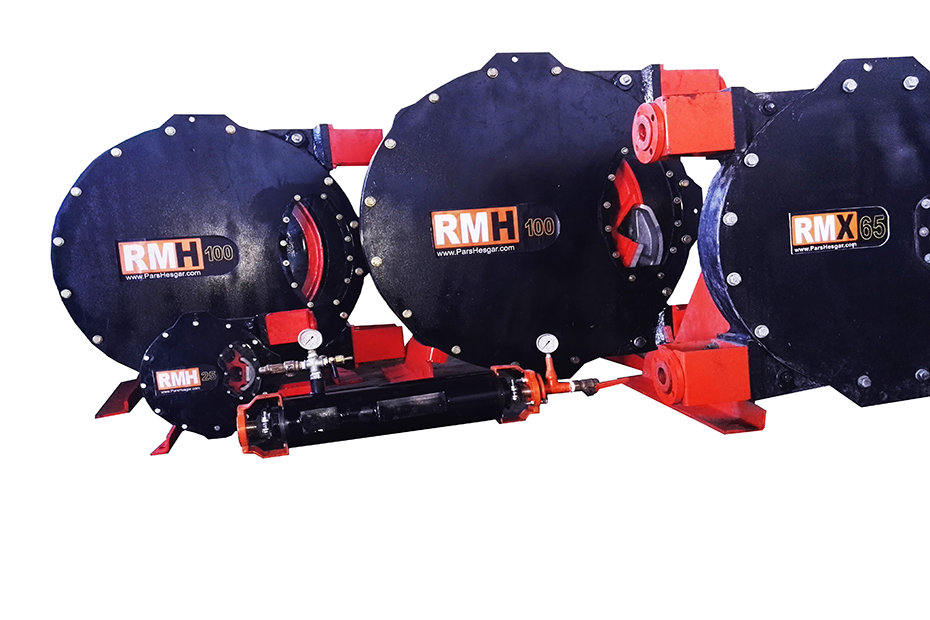
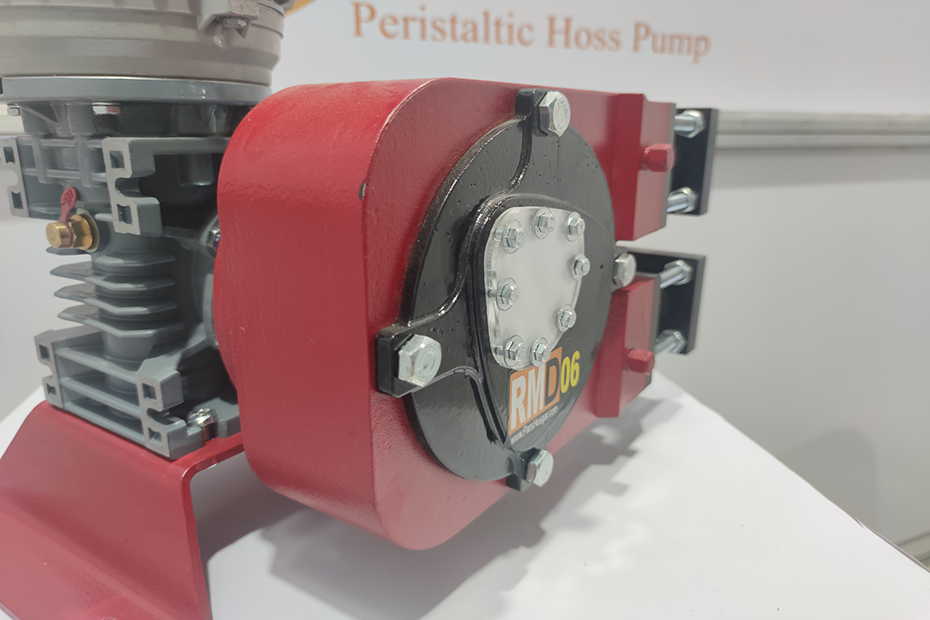
Can Peristaltic Hose Pumps Be Used in Mining Processes?
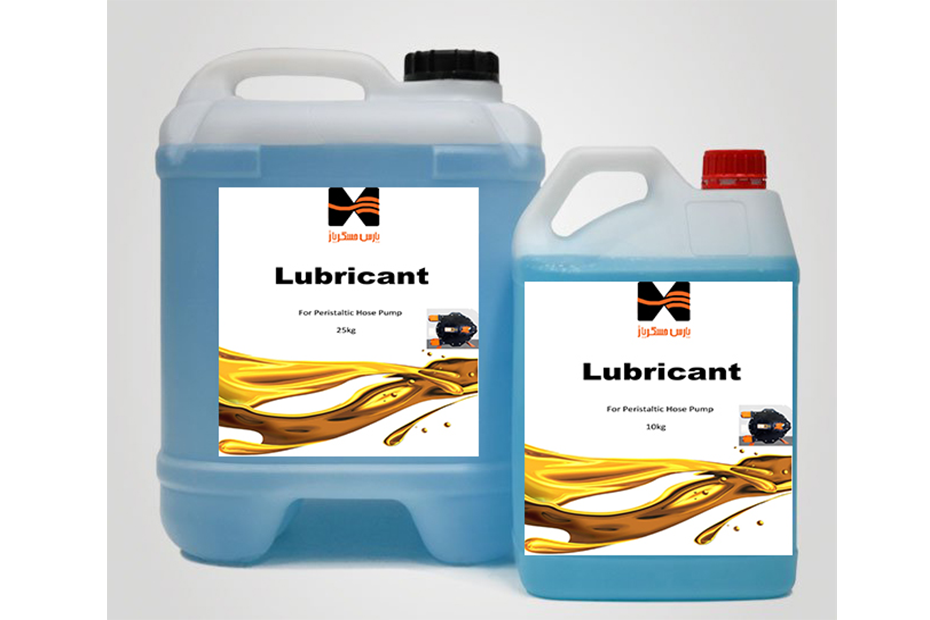
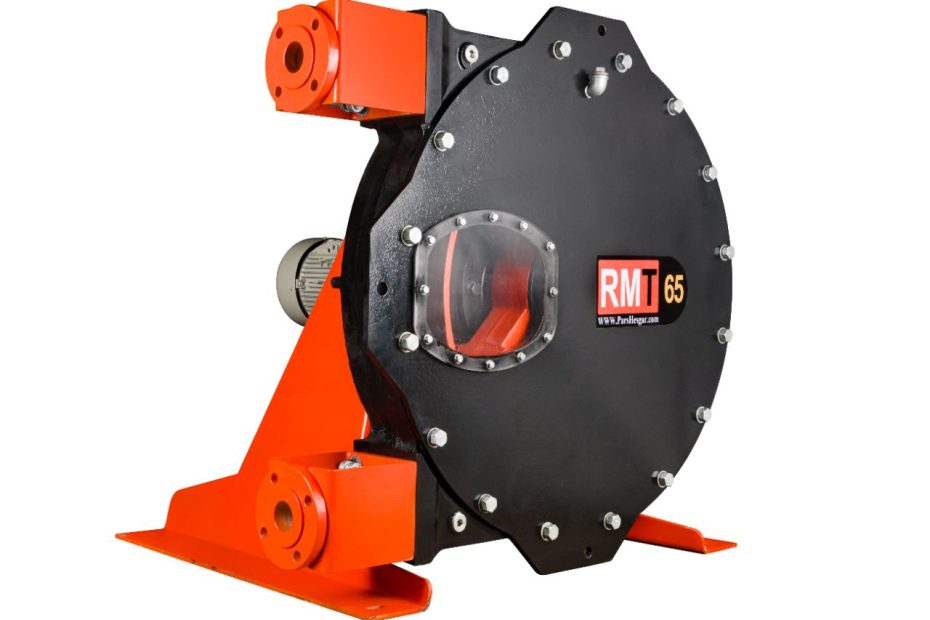
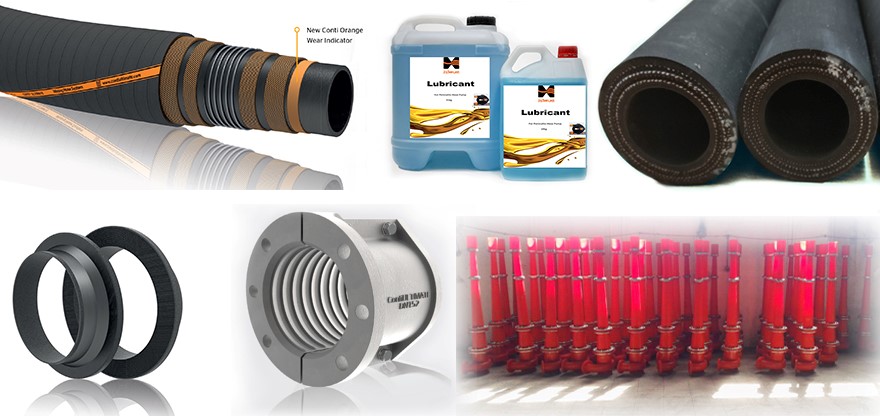
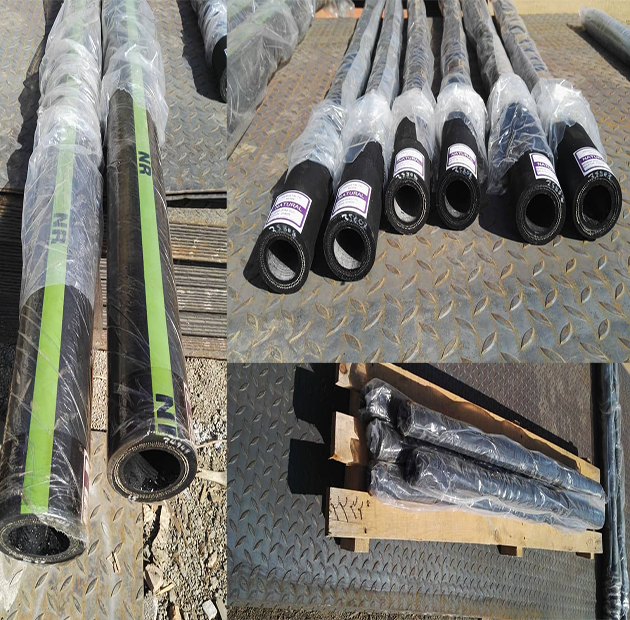
Peristaltic hose pumps are not a replacement for dewatering pumps in every part of a mining operation. However, they can be a suitable option in specific parts of mineral processing where slurries and fluids containing solids, abrasive particles, or corrosive materials need to be transferred.
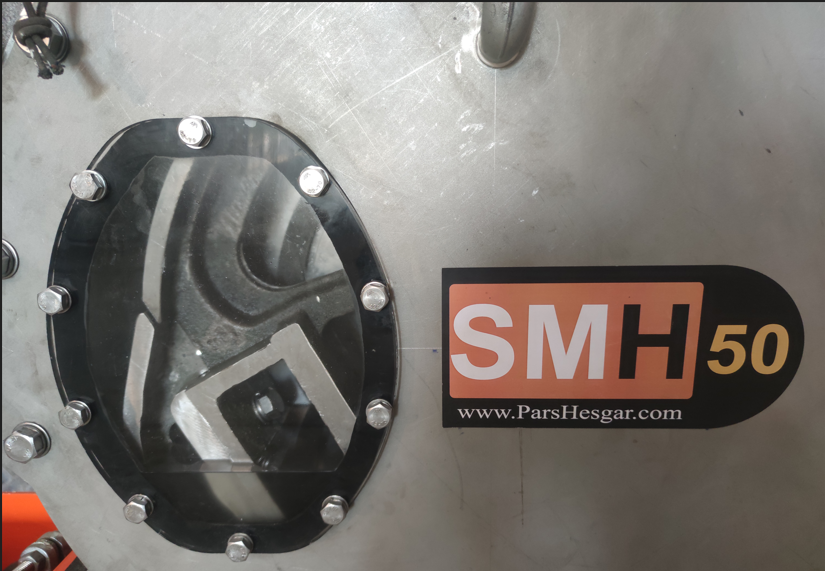
Because the pumped fluid remains inside the hose, it has limited direct contact with the mechanical components of the pump. This design can provide advantages in certain applications involving abrasive or corrosive slurries.
Potential applications of peristaltic hose pumps in mining and mineral processing include:
- Transfer of mineral slurries
- Pumping fluids with a high solids concentration
- Transfer of abrasive fluids
- Transfer of certain corrosive fluids
- Accurate dosing of chemicals in mineral processing
- Transfer of concentrated fluids in selected process stages
The selection of a peristaltic hose pump should be based on parameters such as flow rate, pressure, solids concentration, particle size, chemical compatibility, viscosity, and operating conditions.
Conclusion
Water management in sand and gravel processes involves much more than simply moving water from one location to another.
Water quality, solids concentration, abrasive conditions, pH variations, flow rate, head, and equipment operating conditions can all affect pumping system performance.
Using an incorrectly sized pump, handling abrasive water with unsuitable equipment, or failing to properly monitor process conditions can result in increased energy consumption, premature equipment wear, higher maintenance costs, and production downtime.
The appropriate approach is to evaluate the actual process conditions and select pumping equipment according to the characteristics of the fluid and the required operating point.
While dewatering and centrifugal pumps play an important role in many water management applications, peristaltic hose pumps can also provide a suitable solution in selected mining processes, particularly for the transfer of slurries and fluids containing solid particles.
Therefore, pumping equipment should always be selected according to the specific requirements of each process stage and the actual characteristics of the fluid.
source: https://t.me/pumpindustryevents