
In mineral processing industries, selecting the right peristaltic hose pump plays an important role in process stability, equipment wear reduction, and control of operating costs.
Peristaltic hose pumps are used for handling fluids containing high concentrations of solids, abrasive and corrosive slurries, thickened underflow, and heavy wastewater under demanding operating conditions.
Depending on the application, peristaltic hose pumps can handle slurries with high solids concentrations, in some cases up to approximately 80%. Their operating principle also minimizes the exposure of mechanical components to the pumped fluid.
The absence of a conventional mechanical sealing system and the fact that the pumped fluid remains inside the hose are important advantages of peristaltic hose pump technology in mineral processing applications, particularly when handling highly abrasive or corrosive fluids.
Applications of Peristaltic Hose Pumps in Mineral Processing
Peristaltic hose pumps can be used in different stages of mineral processing and fluid handling. Key applications include:
Thickener Underflow
Peristaltic hose pumps can be used for transferring thickened underflow and concentrated slurries containing high levels of suspended solids.
Their ability to handle high-solids fluids can help reduce the risk of blockage and maintain stable operation in demanding applications.
Mineral Slurry and Wastewater Transfer
Mining and mineral processing operations often involve abrasive slurries and wastewater containing significant amounts of solid particles.
Peristaltic hose pumps can be considered for transferring these fluids in selected process stages, including slurry handling and tailings-related applications.
Accurate Chemical and Flocculant Dosing
Peristaltic hose pumps can also be used for controlled dosing of chemicals and flocculants in processes such as flotation, washing, and concentration.
Accurate flow control can help improve process consistency and reduce unnecessary chemical consumption.
Mine Water and Wastewater Management
Water management is an important part of modern mineral processing operations.
Peristaltic hose pumps can be used in selected applications for transferring return water, wastewater, and other process fluids, helping facilities improve water recovery and reduce fresh-water consumption.
Advantages of Peristaltic Hose Pumps in Mining Applications
Mineral processing environments are often characterized by high concentrations of solid particles, abrasive fluids, variable flow and pressure conditions, and, in some applications, corrosive fluids.
Under these conditions, the design of a peristaltic hose pump can provide several important advantages.
Because the pumped fluid remains inside the hose, there is no direct contact between the process fluid and many of the pump’s mechanical components.
The absence of a conventional mechanical seal in the fluid path can also reduce the potential for problems associated with seal wear when handling abrasive or corrosive fluids.
The ability to handle fluids with high solids concentrations and abrasive slurries makes peristaltic hose pumps a suitable option for selected mineral processing applications.
However, pump selection must always be based on the actual characteristics of the process and the pumped fluid.
Selecting the Right Peristaltic Hose Pump for Mineral Processing
Selecting a peristaltic hose pump for a mineral processing application requires a detailed evaluation of the actual operating conditions.
Important parameters include:
- Required flow rate
- Operating pressure and head
- Solids concentration
- Particle size and characteristics
- Fluid viscosity
- Chemical compatibility
- Abrasiveness and corrosiveness
- Operating temperature
- Suction conditions
- Discharge conditions
- Continuous or intermittent operation
Selecting the wrong pump type or size can lead to reduced system performance, increased energy consumption, shorter hose life, and higher maintenance costs.
For this reason, pump selection should be based on the actual characteristics of the fluid and operating conditions rather than relying only on nominal flow rate or pressure.
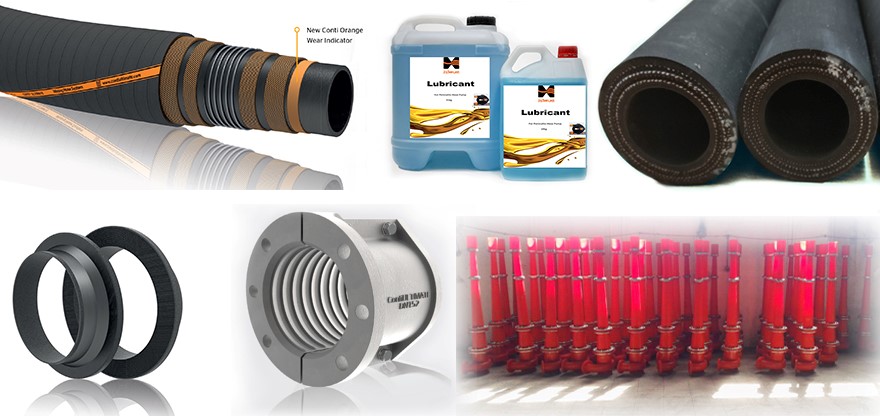
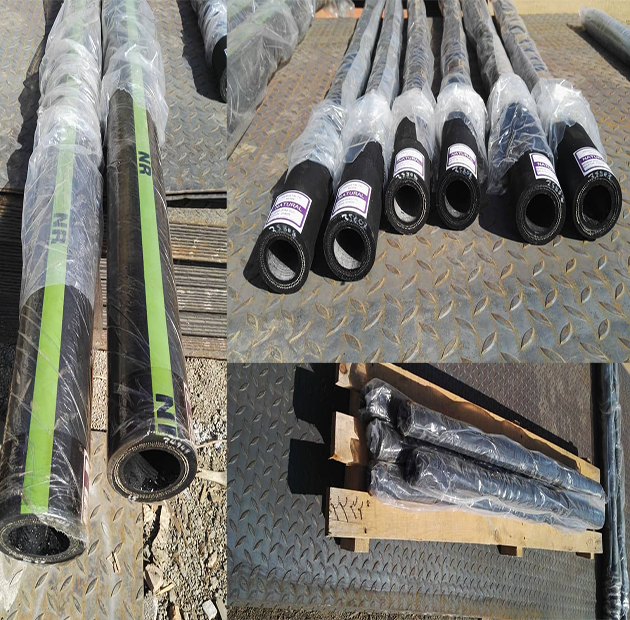
The hose itself is also a critical component of a peristaltic pumping system. Hose material, wall thickness, internal diameter, operating pressure, chemical compatibility, and compression frequency should be evaluated together with the pump specifications.
Pars Hesgar Paj Experience in Mineral Processing
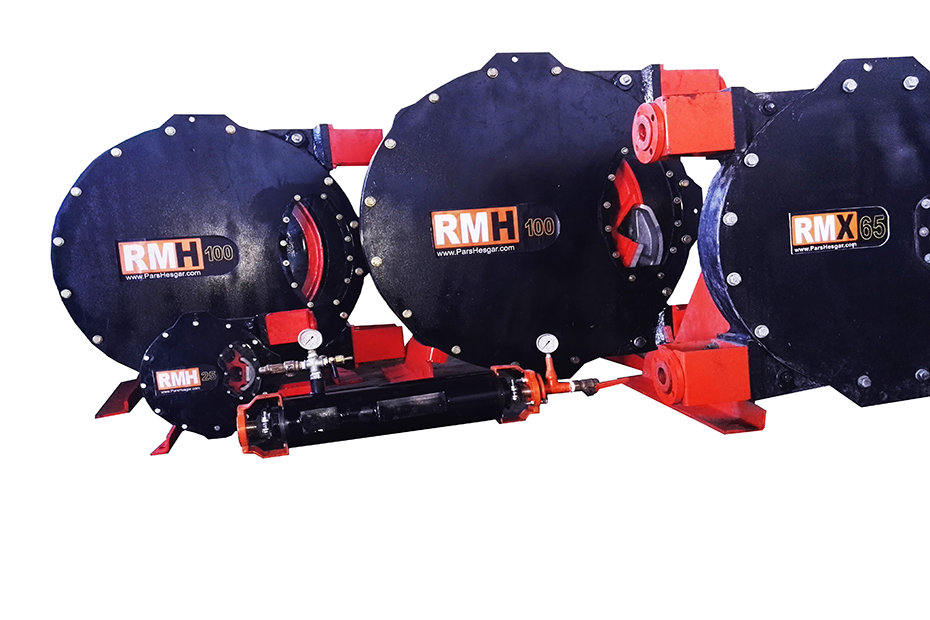
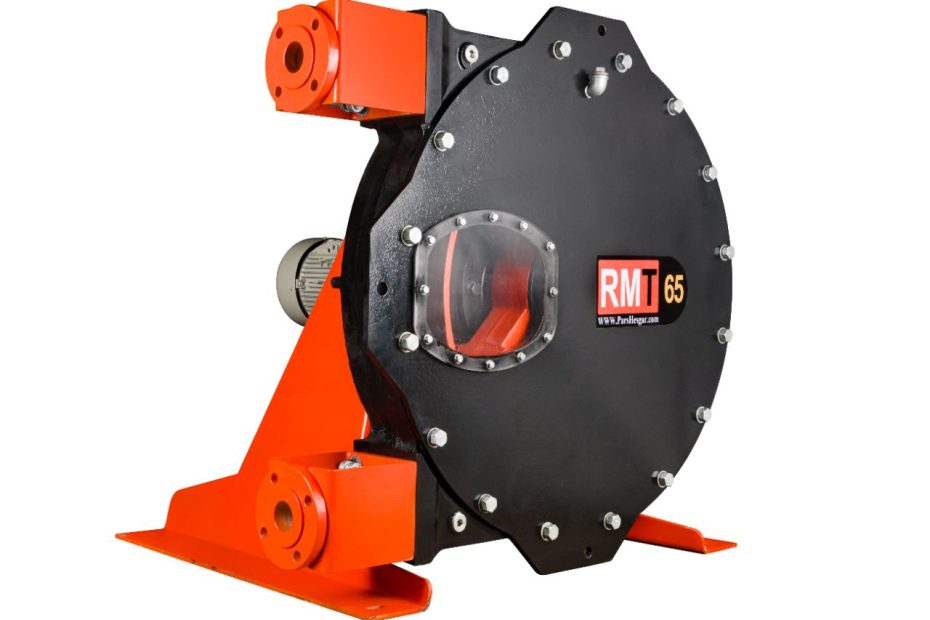
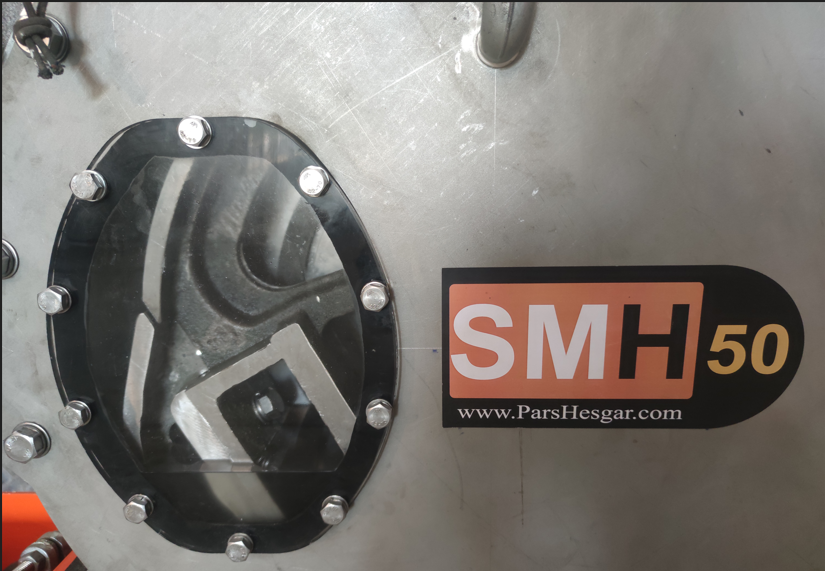
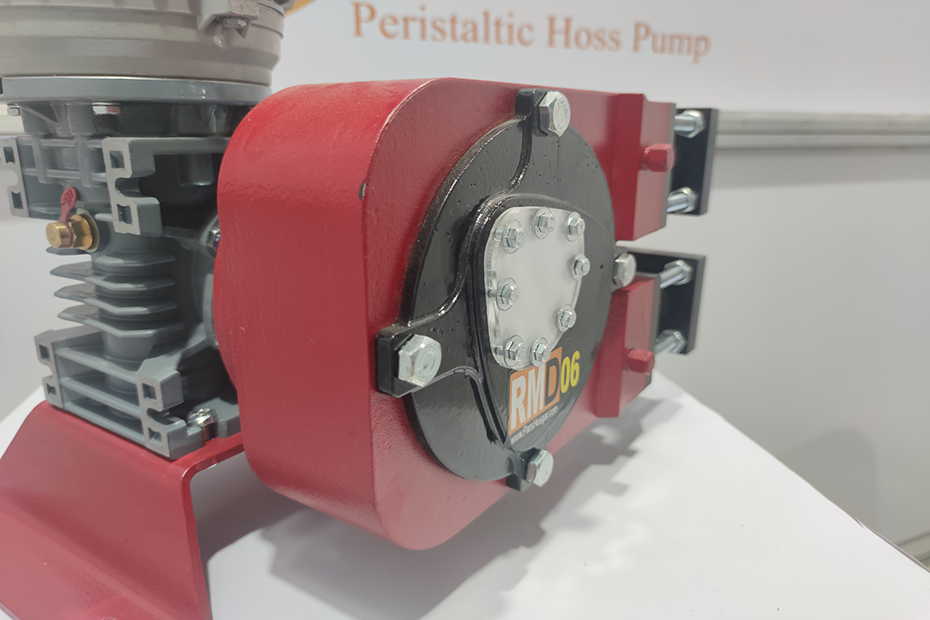
Pars Hesgar Paj specializes in the design and manufacture of peristaltic hose pumps and provides technical solutions for demanding fluid-handling applications.
With experience in peristaltic pumping technology and an understanding of mineral processing conditions, Pars Hesgar Paj can provide pumping solutions tailored to different applications in the mining and mineral processing industries.
Our approach is based on evaluating the actual process conditions, fluid characteristics, required flow and pressure, solids content, and operating cycle before selecting the appropriate pump model and size.
The objective is to achieve stable pumping performance while extending hose and equipment service life and reducing maintenance costs and unplanned production downtime.
Conclusion
Peristaltic hose pumps can provide an effective solution for selected fluid-handling applications in mining and mineral processing industries, particularly where abrasive, corrosive, or high-solids fluids are involved.
Their hose-based pumping principle, ability to handle high-solids slurries, and reduced exposure of mechanical components to the pumped fluid make them suitable for a range of demanding applications.
However, achieving reliable performance depends on selecting the appropriate pump, hose, and operating conditions for each application.
With its experience in peristaltic hose pump technology, Pars Hesgar Paj provides technical support and pumping solutions designed around the specific requirements of mineral processing operations.











Pingback: Water Management in Sand & Gravel | Pars Hesgar Paj