A coupling is an important component in many power transmission and rotating equipment systems. Its primary function is to transmit torque and mechanical power from the driving shaft to the driven shaft.
Selecting the correct coupling can improve equipment reliability, reduce vibration, minimize wear, and lower maintenance costs.
In pumping equipment, coupling selection should be based on the specifications of both the motor and pump, as well as the actual operating conditions. An unsuitable coupling can result in excessive vibration, improper torque transmission, increased shaft loads, and premature failure of the coupling or other components.
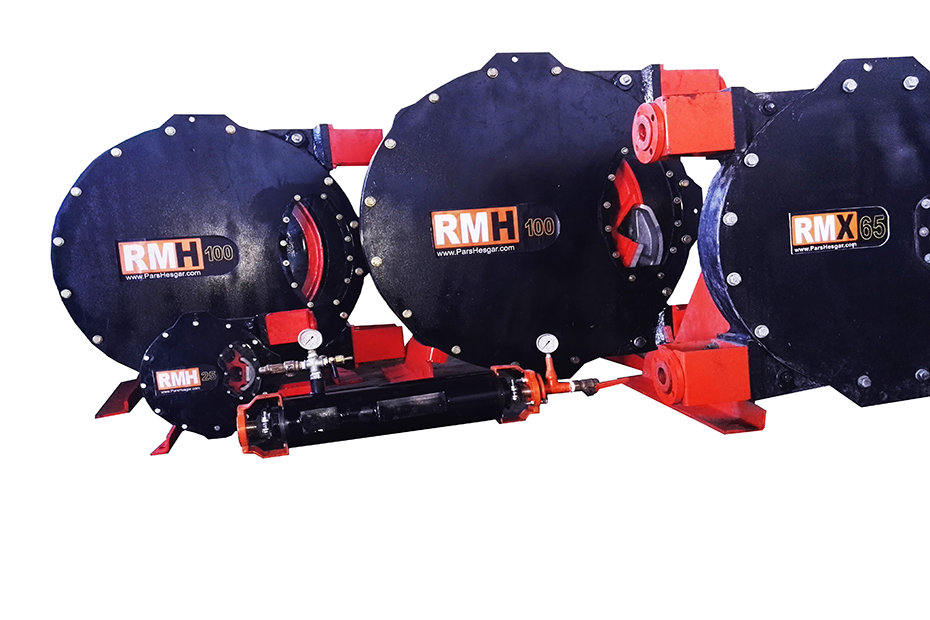
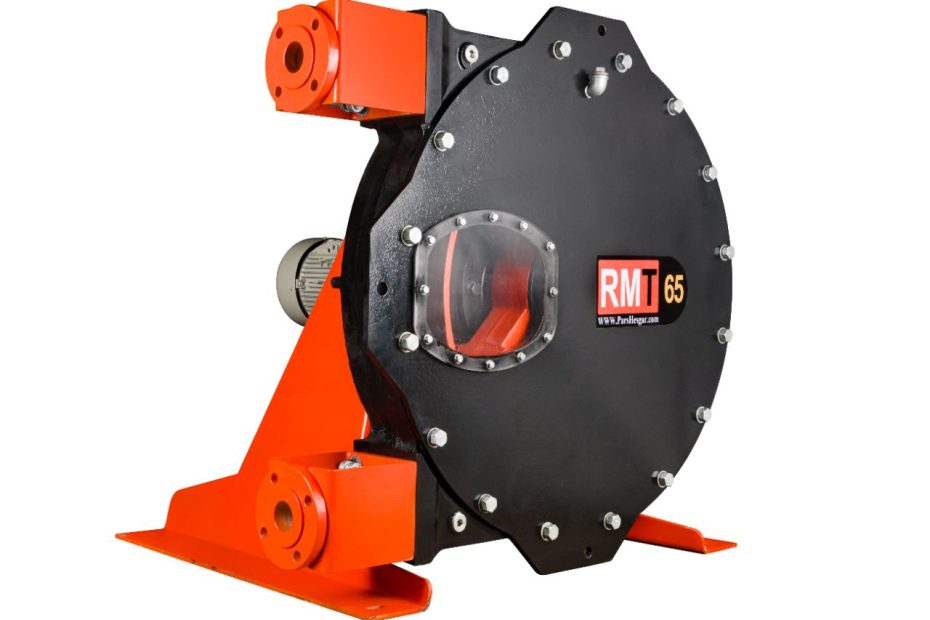
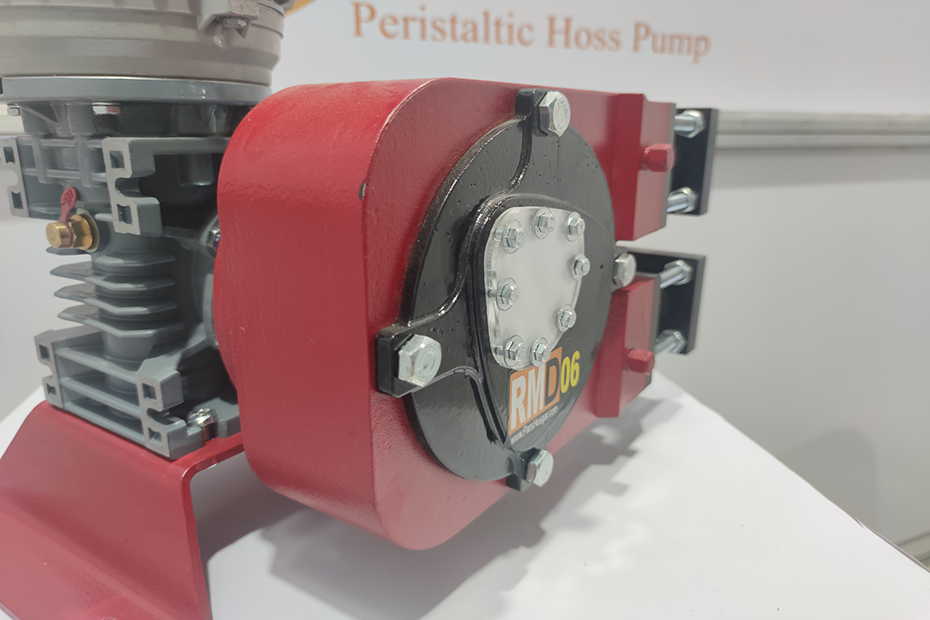
In some peristaltic hose pumps manufactured by Pars Hesgar Paj, including certain models of the RST Series, a coupling is used to transmit the driving force. Therefore, proper coupling selection is also an important consideration in these pump systems.
Key Factors in Coupling Selection
Selecting the appropriate coupling requires more than simply matching the coupling to the shaft diameter. Motor power, operating speed, torque, temperature, installation space, shaft alignment, environmental conditions, and duty cycle should all be considered.Motor Power and Operating Speed
Motor power and rotational speed are among the most important parameters in coupling selection.
These factors determine the torque required by the system, and the selected coupling must be capable of handling the required torque and operating speed.
Maximum allowable torque and rotational speed vary depending on the coupling type, design, and manufacturer. Therefore, coupling selection should not be based solely on shaft dimensions.
If a variable-speed drive is used, the full operating speed range should also be considered when selecting the coupling.
Operating Temperature
Operating temperature is another important factor.
The allowable temperature range of a coupling depends on its materials and construction. In applications involving significant temperature changes, thermal expansion and contraction of the shafts and connected components may also need to be considered.
Both the minimum and maximum ambient and operating temperatures should therefore be identified before selecting the coupling.
Installation Space and Shaft-End Distance
Available installation space can limit the type and size of coupling that can be used.
Different couplings are designed for different shaft arrangements and allowable distances between the connected shafts. The DBSE (Distance Between Shaft Ends) is an important dimension in many coupling applications.
The position of the motor and pump, available installation space, and overall equipment design should therefore be considered during coupling selection.
Shaft Misalignment
Many coupling designs can accommodate a limited amount of shaft misalignment.
Misalignment may occur in different directions, and the amount that can be tolerated depends on the coupling design.
However, a coupling should not be used as a solution for excessive misalignment. If axial, radial, or angular misalignment exceeds the allowable limits, it can increase vibration and mechanical stress and may lead to premature coupling failure.
Proper shaft alignment during installation remains essential for reliable operation.
Other Important Coupling Selection Factors
Several additional parameters should also be considered.
Shaft Size and Keyway
Shaft diameter, connection type, and keyway dimensions must be compatible with the selected coupling.
An incorrect fit can result in unreliable power transmission, excessive mechanical stress, or damage to the shaft and coupling.
Exposure to Chemicals
Industrial equipment may operate in environments where couplings are exposed to moisture, chemicals, oils, dust, or corrosive substances.
The materials used in the coupling should therefore be compatible with the surrounding environment and operating conditions.
Duty Cycle
The operating cycle of the equipment is another important consideration.
Continuous-duty equipment may impose different requirements on a coupling compared with equipment that operates intermittently.
Start-stop frequency, operating duration, load changes, and the number of operating cycles should be evaluated during selection.
Torque Characteristics
The characteristics of the transmitted torque should also be considered.
Some machines generate relatively smooth and constant torque, while others may produce torque fluctuations, pulsations, or shock loads.
The selected coupling should therefore be suitable for the actual load characteristics of the equipment.
Couplings in Peristaltic Hose Pumps
In peristaltic hose pumps, reliable transmission of mechanical power from the motor to the pump mechanism is essential for stable operation.
The speed and torque delivered to the pump directly affect its operating performance. Consequently, the components used in the power transmission system must be properly matched to the pump and motor.
Some peristaltic hose pumps manufactured by Pars Hesgar Paj, including certain models in the RST Series, use a coupling to transmit the driving force.
For these applications, factors such as motor power, rotational speed, required torque, shaft dimensions, installation conditions, and alignment should be evaluated when selecting the coupling.
This illustrates an important point in industrial pump design: selecting a reliable pumping system involves more than choosing the pump itself. The associated power transmission components must also be properly matched to the operating conditions.
Coupling Selection as Part of Pump System Design
Coupling selection should be considered as part of the overall mechanical design of the pumping system.
Motor power, rotational speed, torque, operating temperature, installation space, shaft alignment, environmental conditions, duty cycle, and load characteristics can all influence the appropriate coupling design.
A correctly selected and properly installed coupling can help reduce vibration and mechanical stress, improve equipment reliability, and extend service life.
In contrast, an unsuitable coupling or incorrect installation can result in premature wear, increased maintenance requirements, and unplanned equipment downtime.
Conclusion
A coupling is an important component of many mechanical power transmission systems, and its selection should be based on the actual operating conditions of the equipment.
Motor power and speed, torque, operating temperature, installation space, shaft-end distance, shaft alignment, shaft dimensions, environmental conditions, duty cycle, and torque characteristics are among the key factors that should be evaluated.
Some peristaltic hose pumps manufactured by Pars Hesgar Paj, including models in the RST Series, use couplings for mechanical power transmission.
Therefore, selecting a coupling that is properly matched to the motor, pump, and operating conditions is an important part of designing a reliable and efficient pumping system.
source: https://t.me/pumpindustryevents