Pfeiffer Vacuum has introduced the HiPace 2800 IT turbopump for advanced industrial applications, including ion implantation processes. With its specially designed rotor, the turbopump is designed to achieve high pumping speeds for light gases and is particularly suitable for processes in which hydrogen represents a significant portion of the accumulated gases.According to the manufacturer, the HiPace 2800 IT provides a pumping speed of up to 2600 liters per second, making high pumping speed one of its key characteristics compared with similar turbomolecular pumping solutions.
HiPace 2800 IT Design and Features
The turbopump incorporates an intelligent temperature management system designed to help prevent condensation and deposit formation during the process. This feature can be particularly important in sensitive industrial applications where stable process conditions are required.
A special rotor coating provides high resistance to the materials present during ion implantation processes, contributing to reliable operation under demanding industrial conditions.
The HiPace 2800 IT turbopump also features a hybrid bearing design, combining ceramic ball bearings with radial magnetic bearings. This configuration is designed to provide stable operation and reliable rotor performance at high rotational speeds.
Turbopumps vs. Peristaltic Hose Pumps
Turbopumps and peristaltic hose pumps are fundamentally different pumping technologies designed for different types of applications. A turbopump such as the HiPace 2800 IT is designed for gas pumping and high-vacuum applications, whereas a peristaltic hose pump is primarily used for the transfer and dosing of liquids, slurries and other industrial fluids.
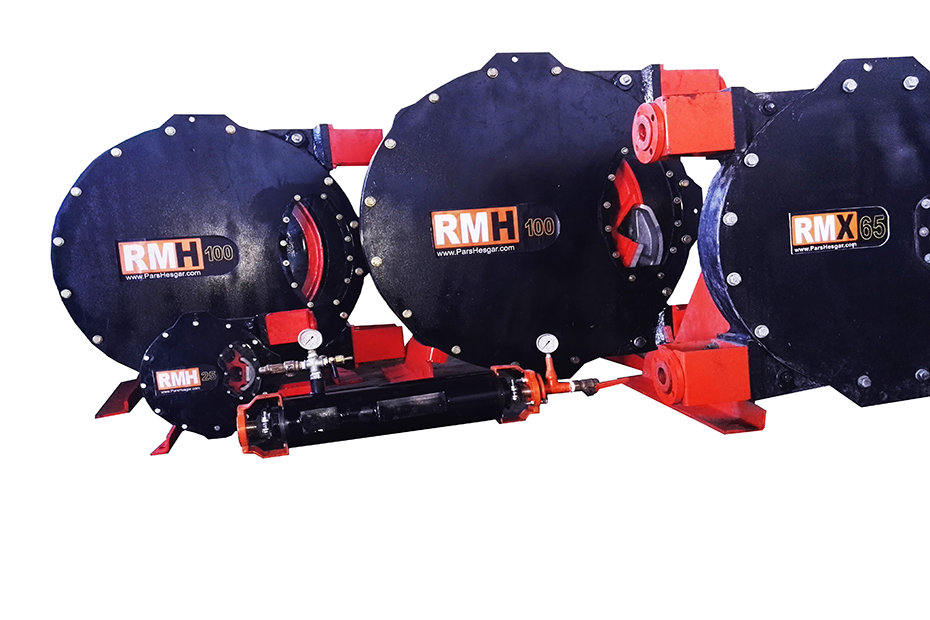
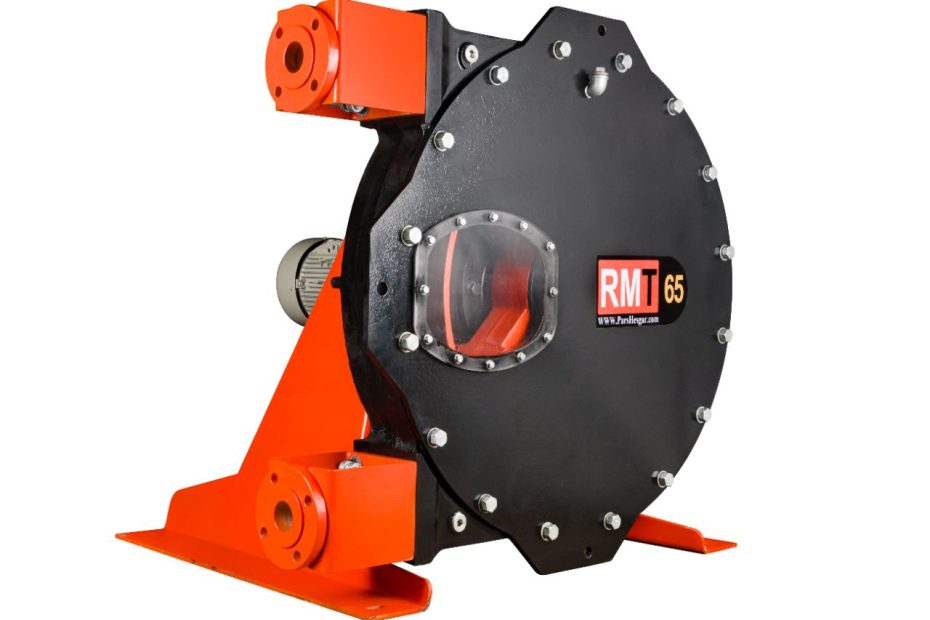
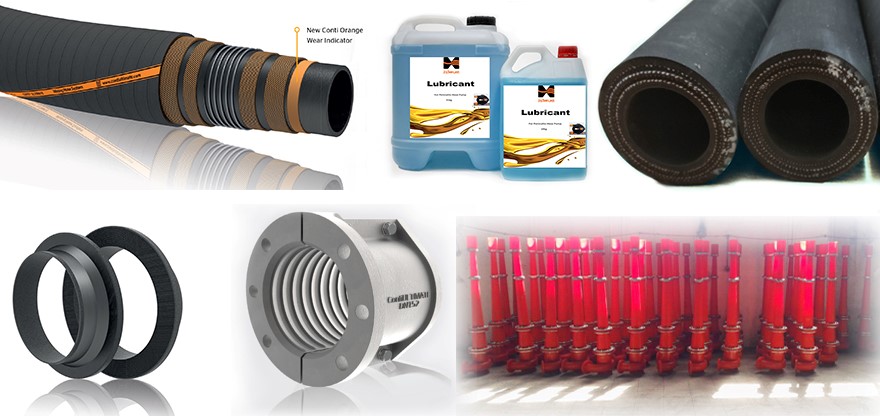
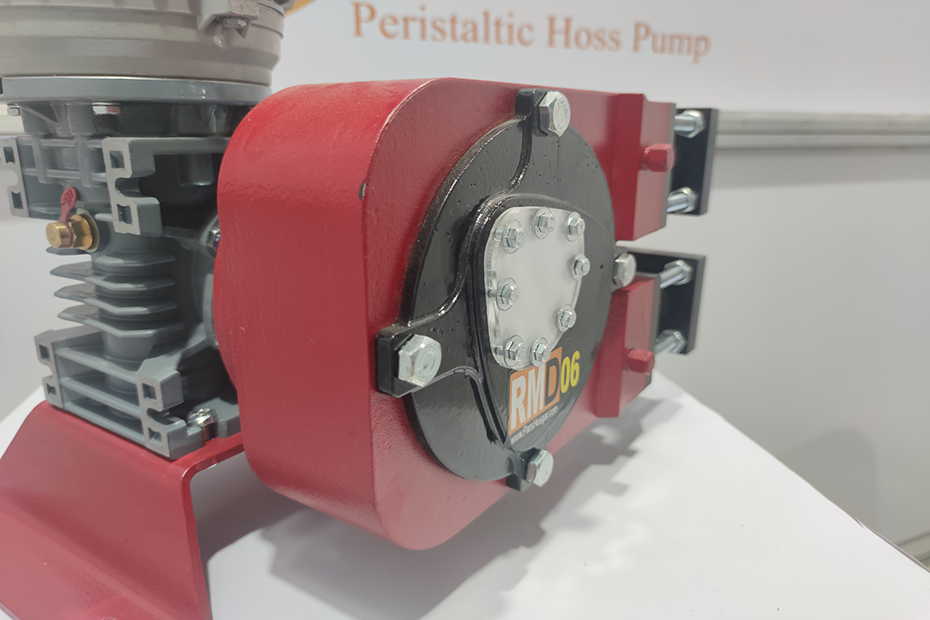
In a peristaltic hose pump, the pumped medium comes into contact only with the inner surface of the hose. As a result, the mechanical components of the pump are isolated from the process fluid. This can be a significant advantage when handling corrosive, abrasive or mineral slurries.
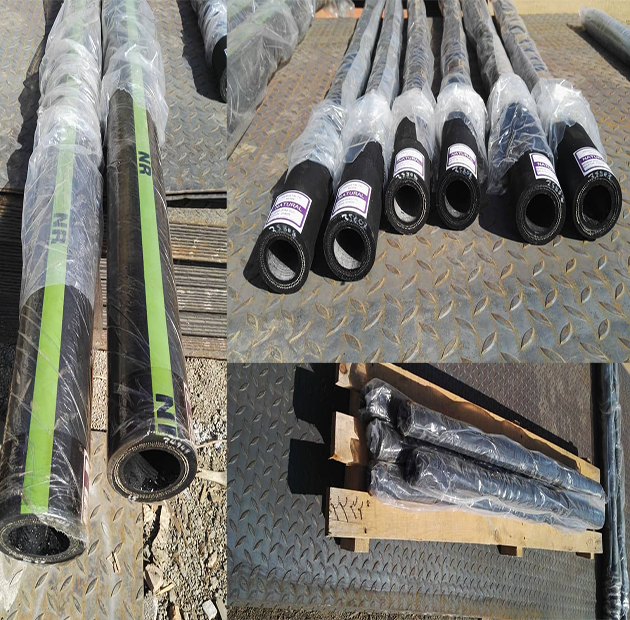
Another important advantage is the relatively limited number of components exposed to the pumped medium. In many applications, the hose is the main wear component, while the other mechanical parts remain isolated from the fluid. This can simplify maintenance and reduce wear-related downtime.
Therefore, turbopumps and peristaltic hose pumps should not generally be considered direct alternatives. The appropriate technology depends on the process requirements, the nature of the gas or fluid, required vacuum or pressure, and operating conditions.
Peristaltic Hose Pumps for Industrial Fluids and Slurries
In chemical, mining, water and wastewater treatment, and other industrial processes where reliable transfer or dosing of liquids and slurries is required, peristaltic hose pumps can provide an effective solution. Their ability to isolate the pumped medium from the mechanical components is particularly valuable when handling abrasive or corrosive fluids.
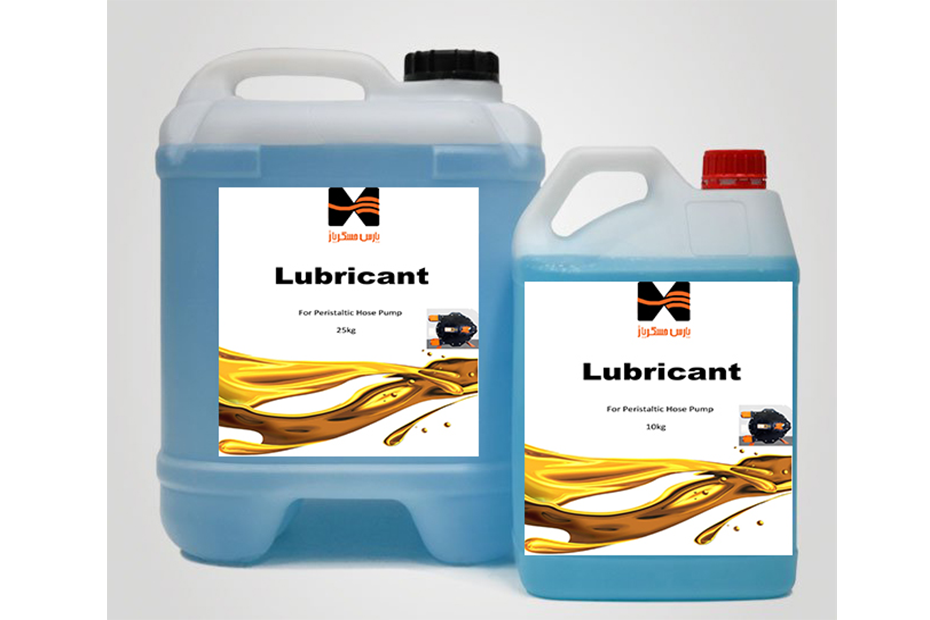
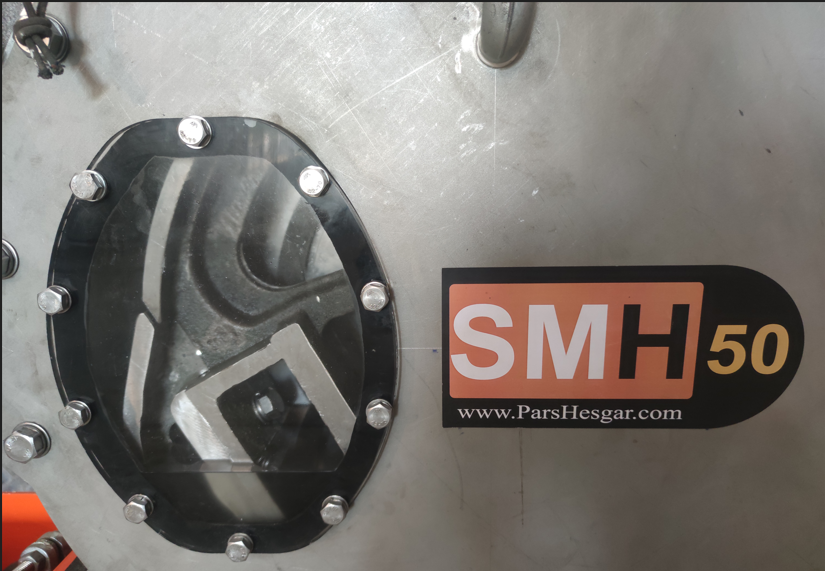
Pars Hesgar Paj manufactures industrial peristaltic hose pumps for a range of fluid transfer and dosing applications.
source: https://t.me/pumpindustryevents