Wear is one of the most important factors affecting maintenance costs and downtime in slurry pumping systems, particularly in mining applications. Selecting the appropriate pump design and wear-resistant components can significantly improve component life, reduce maintenance frequency, and lower operating costs.
A study conducted by Weir investigated the performance of Warman slurry pumps at a gold mine in Canada. The mine, located in Quebec, had been using two Warman AH 12/10 slurry pumps for approximately 30 years to discharge material from a semi-autogenous grinding (SAG) mill.
Due to the highly abrasive nature of the slurry, the internal components of the pumps were subject to severe wear, with a reported operating life of approximately 1,600 hours.
Initially, replacing the liners and using non-genuine replacement parts was proposed as a way to reduce maintenance costs. However, after a detailed investigation by Weir engineers, it was determined that replacing the pump with the Warman MCR design was a more effective solution than simply replacing individual components.
The study showed that the use of non-genuine components reduced pump operating life by approximately 300 hours. As a result, the number of annual replacements increased to approximately six.
In contrast, the Warman MCR 250 pumps achieved approximately 3,000 hours of continuous operation, reducing the required number of annual replacements to around three. According to the study, this improvement resulted in approximately US$70,000 in annual savings in the cost of replacing worn components.
Comparison with Peristaltic Hose Pumps
This example also highlights an important difference between conventional slurry pumps and peristaltic hose pumps.
In a lined slurry pump, components such as liners, impellers, and other wetted parts are directly exposed to abrasive particles in the slurry. Over time, these components are subject to wear, making component material, pump design, and maintenance practices critical factors in overall operating costs.
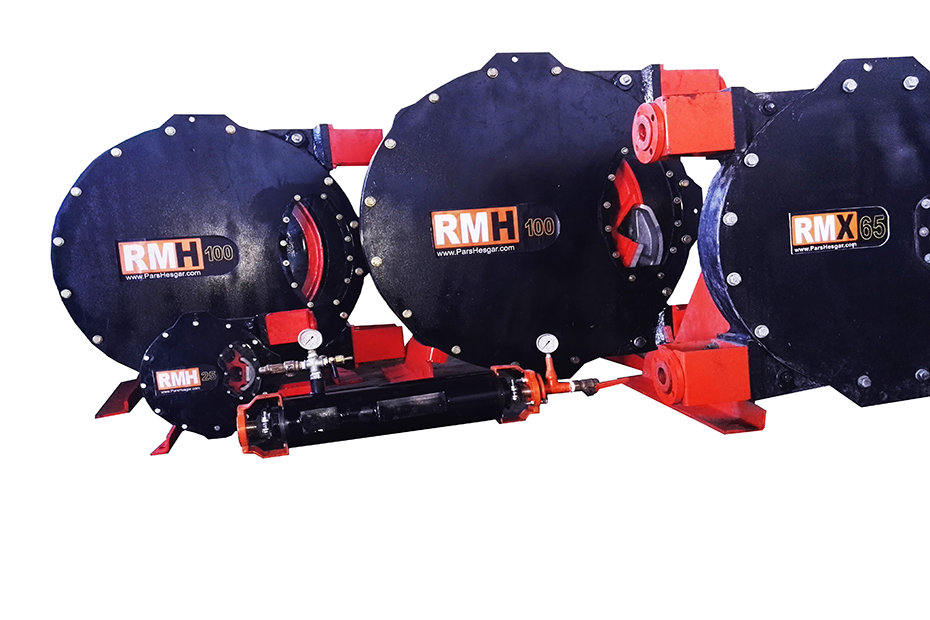
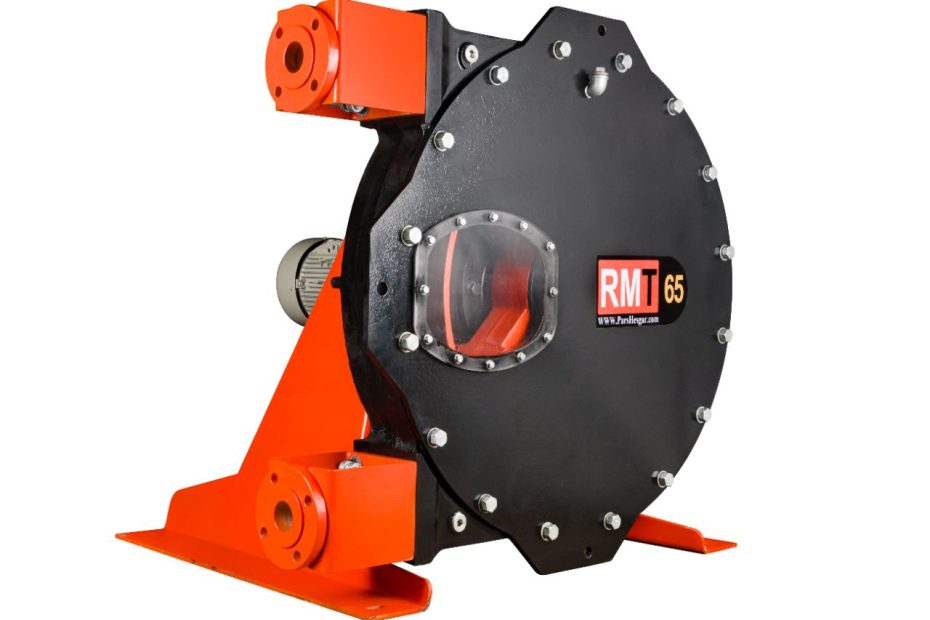
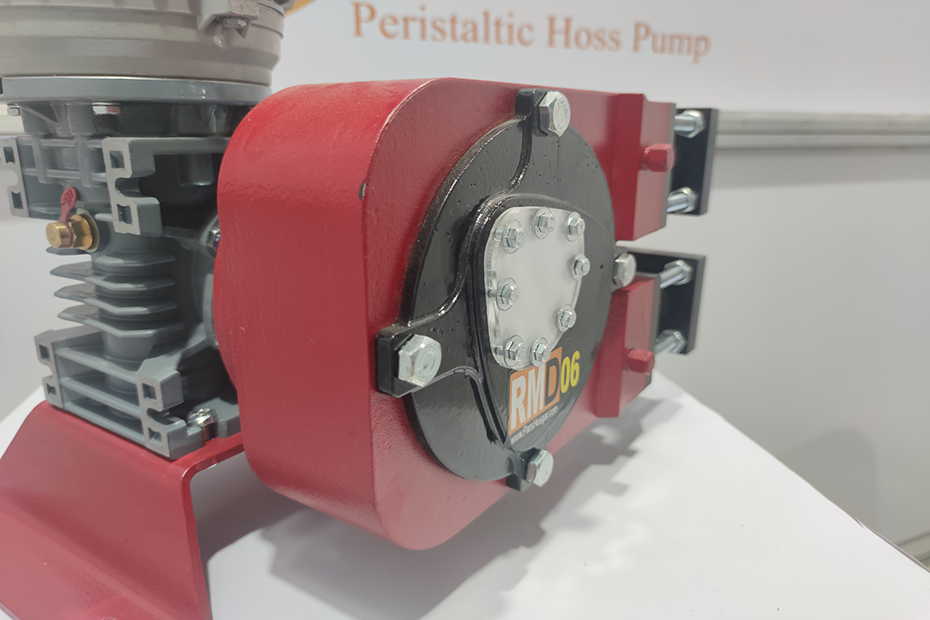
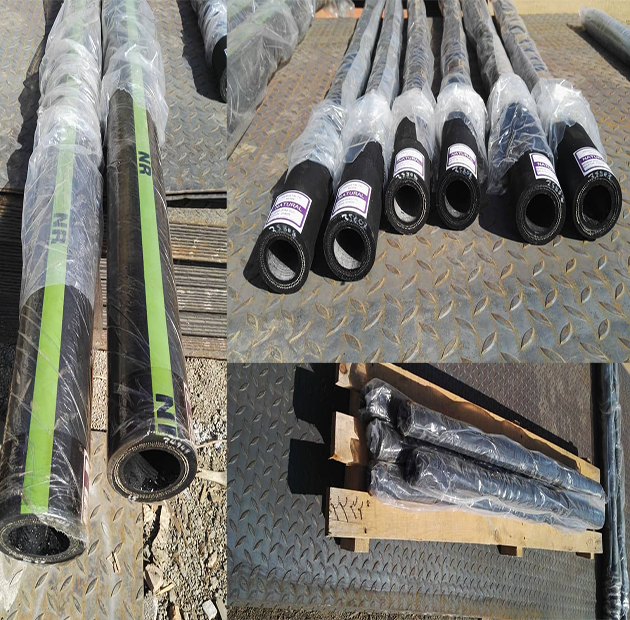
The operating principle of a peristaltic hose pump is different. The pumped fluid comes into contact primarily with the inner surface of the hose, while the main mechanical components of the pump are isolated from the pumped fluid.
As a result, mechanical wear caused by abrasive solids is minimal in the other pump components. In an appropriately selected hose pump, the hose is the primary wear and replacement component, while the remaining mechanical components generally have significantly lower wear from direct contact with the pumped fluid.
This can be a major advantage when handling abrasive or corrosive fluids. Instead of having multiple mechanical components exposed directly to the process fluid, maintenance is largely focused on monitoring and replacing the hose when required.
However, pump selection should always be based on the actual application conditions, including flow rate, pressure, solids concentration and particle size, fluid temperature, chemical compatibility, and operating cycle. A peristaltic hose pump is not necessarily the replacement for every type of slurry pump, but it can provide an effective solution for many abrasive and corrosive fluid transfer applications.
Conclusion
The Warman pump study demonstrates that extending component life and reducing replacement frequency can have a significant impact on maintenance and operating costs.
Peristaltic hose pumps offer a different approach to managing wear. By isolating most mechanical components from the pumped fluid, they minimize wear on these components and make the hose the primary consumable component of the pump.
Therefore, when selecting a pumping system for abrasive fluids, it is important to consider not only the required flow rate and pressure, but also the total cost of ownership, number of wear components, maintenance frequency, downtime, and ease of replacing consumable components.
source: https://t.me/pumpindustryevents