This article, written by Ms. Mehri Hejri, Commercial Manager of Pars Hesgar Paj, provides a brief overview of the operating principle of peristaltic pumps, which are a type of positive displacement pump, and then discusses the advantages of using these pumps in the mining industry.
Applications of Peristaltic Hose Pumps in the Global Mining Industry (Published in Pardazesh Technical Magazine)
Finally, several mines and mineral processing plants that have replaced their old pumps with peristaltic pumps in order to overcome existing problems, reduce production downtime, and increase the reliability of their production processes are introduced.
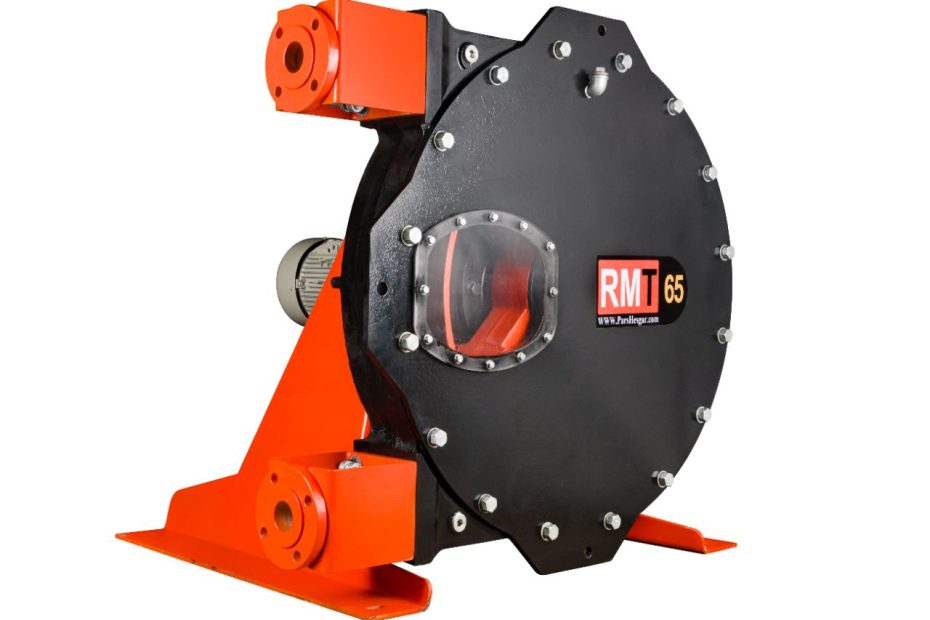
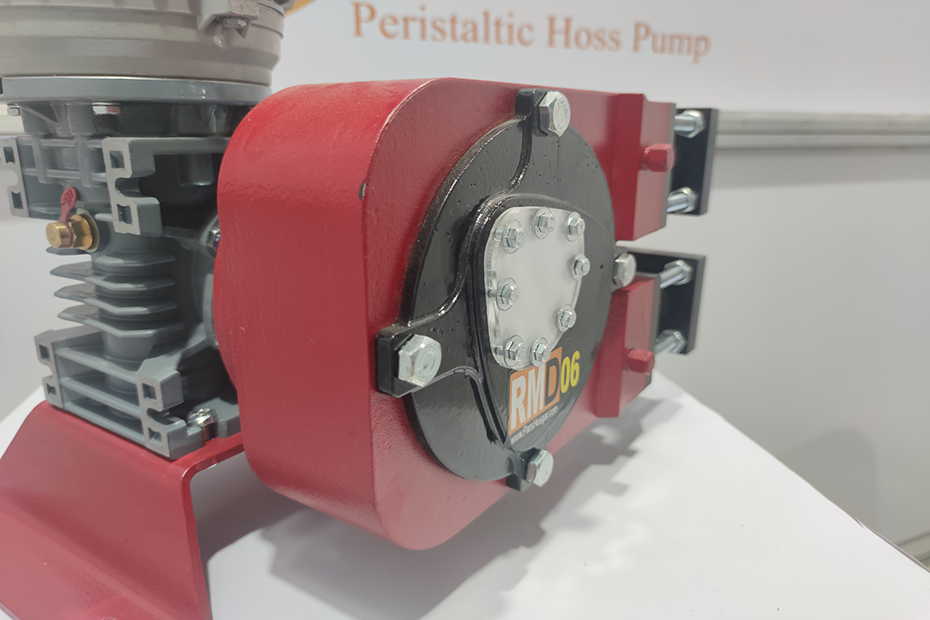
The general operating principle of a peristaltic hose pump is based on the compression and release of the hose. As the rotor rotates, the roller mounted on it pushes the material inside the hose forward. In this way, the material is drawn into the pump, and as the rotor continues to rotate, the next roller performs the pumping action.
The pumped material entering the pump comes into contact with no component other than the hose, which is one of the most important advantages of peristaltic hose pumps.
Depending on the industry in which a peristaltic hose pump is used, various advantages can be identified. In general, the main advantages of these pumps in the mining industry include:
- Ability to pump fluids containing solid particles (slurries)
- Ability to pump highly concentrated materials with high viscosity
- Ability to handle chemicals, hydrocarbon fluids and their derivatives
- Ability to pump highly viscous materials at high pressure, up to 16 bar — a pressure level applicable in applications such as filter press feeding and long-distance transfer of viscous materials
- High suction capability, up to -0.8 bar (equivalent to 8 meters of water column)
- Flow-rate control independent of the required head, eliminating the need for a flow control valve or flow meter
- Low-speed pumping and gentle handling of shear-sensitive materials
- No need for sealing components or check valves
- Self-priming capability
- Ability to reverse the suction and discharge direction, thereby helping to clear blockages in the suction line
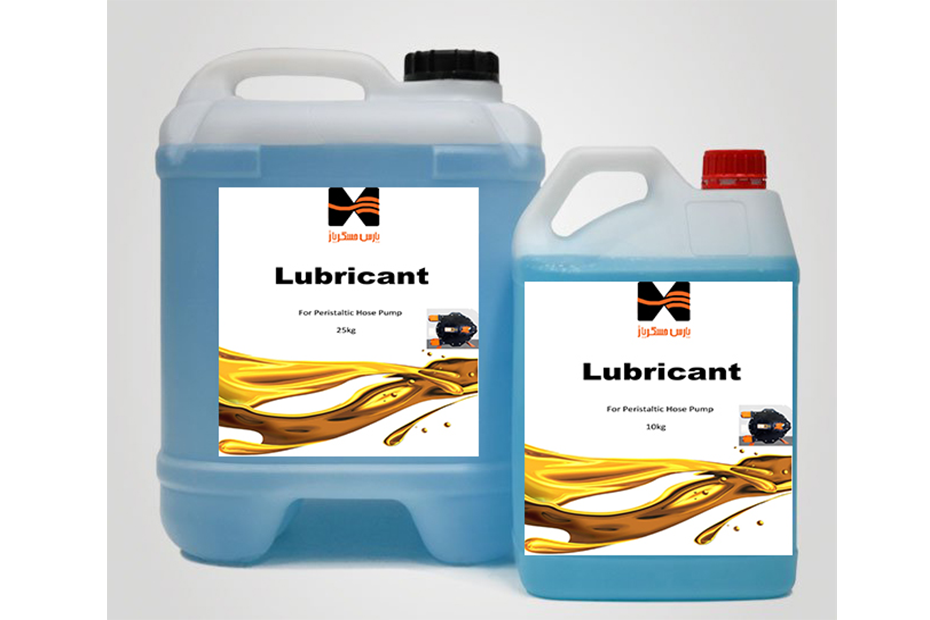
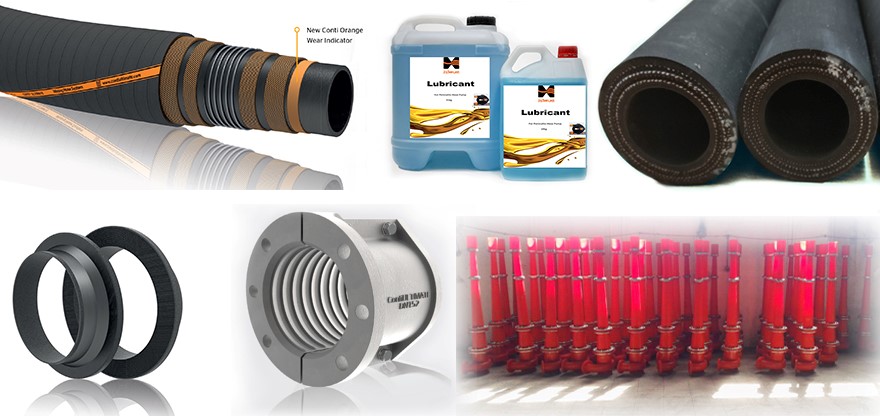
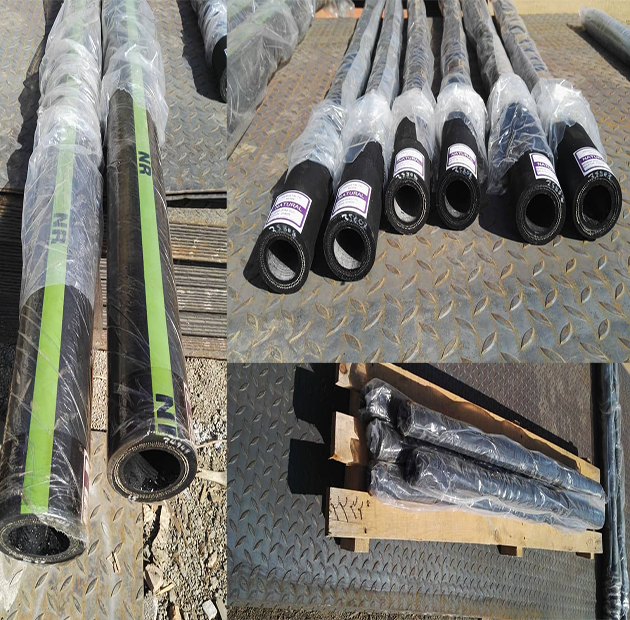
- Low maintenance and repair costs, since the hose and lubricant are the only wear components in peristaltic pumps. Hose replacement normally takes less than half an hour, and the pump does not need to be disconnected from the pipeline for servicing
- High resistance to abrasion due to gentle pumping and low fluid velocity
- Very high efficiency in hose pumps due to complete hose compression and prevention of fluid backflow
- Robust mechanical construction and the possibility of portable configurations
- Very low noise level
- Suitability for use in potentially explosive environments
Over the past two decades, peristaltic pumps have gained a significant position in various industries, including the mining industry.
For example, one of the largest mining companies in Arizona, operating copper and gold mines, replaced its centrifugal pumps with abrasion-resistant cast-iron construction, which had been used to transfer tailings slurry, with size 100 peristaltic hose pumps.
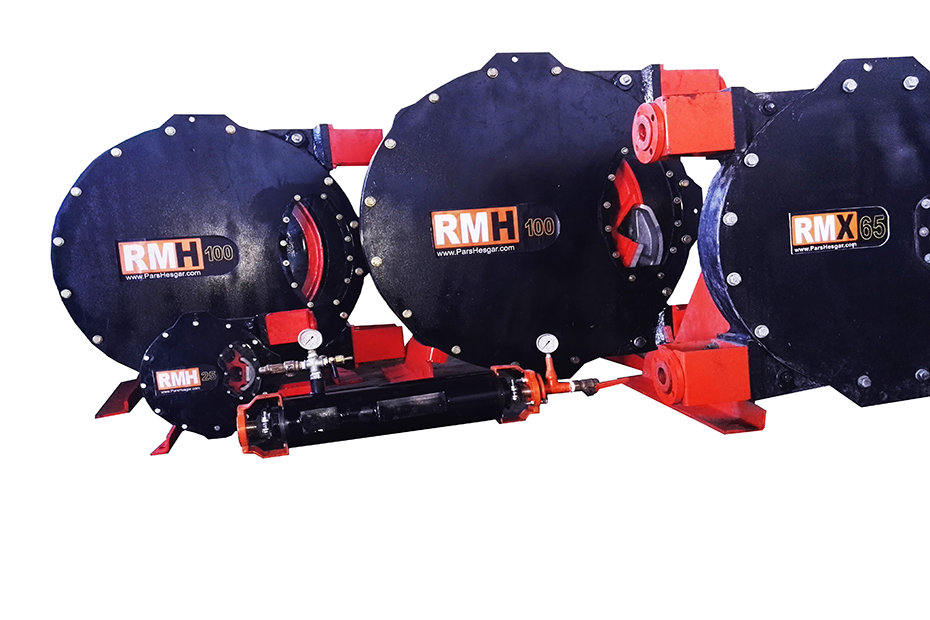
Pars Hesgar Paj has been a pioneer in the field of industrial peristaltic pumps in Iran and currently offers a comprehensive range of peristaltic pumps in various types and sizes as part of its product portfolio.