An overview of pump casing thickness measurement methods and service-life estimation, with a comparison of component wear in peristaltic hose pumps.
Estimating the service life of pump components is an important part of industrial equipment maintenance and reliability management. In pumps where different components are exposed to wear, accurately estimating when a component will reach its minimum allowable thickness can help maintenance teams plan repairs and replacements before an unexpected failure occurs.
A technical article published on the blog of KSB’s GIV Industries discusses methods for accurately estimating the actual service life of pump casings. According to the experts at GIV, it is important to predict as accurately as possible when a pump may need to be taken out of service due to component wear, including casing wear.
This approach allows operators to make maximum use of the component’s useful life while reducing the risk of unexpected production-line shutdowns.
Methods for Measuring Pump Casing Thickness
According to the GIV article, three methods were used to measure casing thickness:
- Manual measurement
- Ultrasonic measurement
- Laser scanning
Each method can provide useful information about casing condition, although the level of accuracy and the amount of detail obtained may differ.
Based on the results of their evaluation, GIV experts recommend laser scanning for casing thickness measurements because it can provide more accurate information about casing thickness and surface condition.
For some customers, GIV also provides laser measurement services and calculates the minimum allowable casing thickness. This type of condition assessment can help maintenance teams determine whether a component can remain in service or should be repaired or replaced.
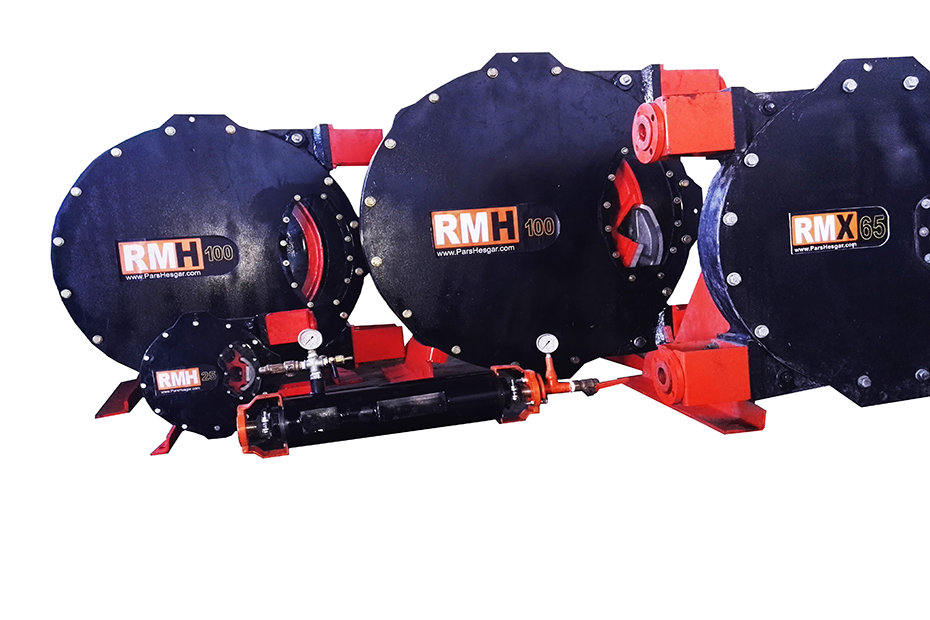
What Does This Mean for Peristaltic Hose Pumps?
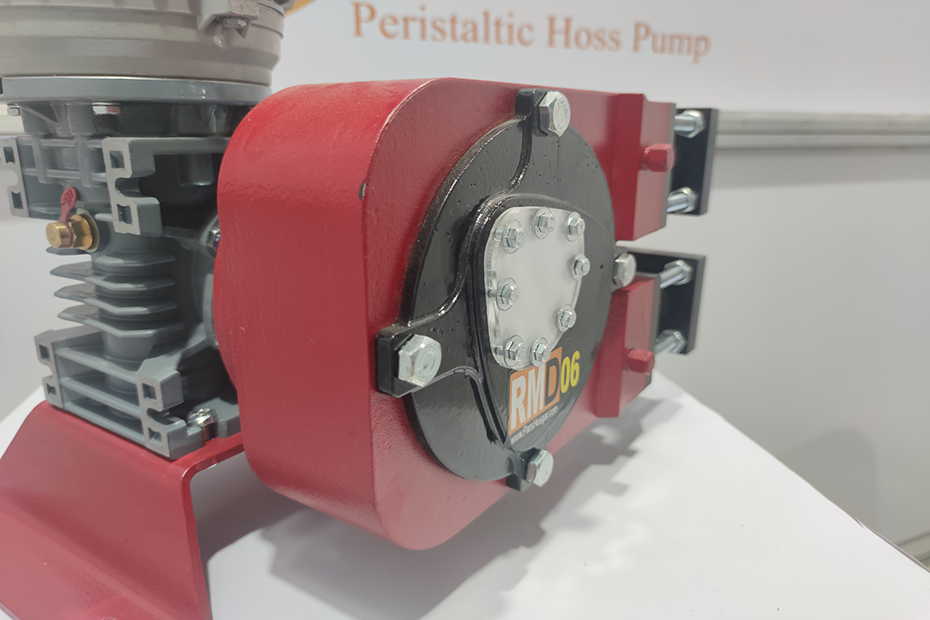
The situation is somewhat different in peristaltic hose pumps.
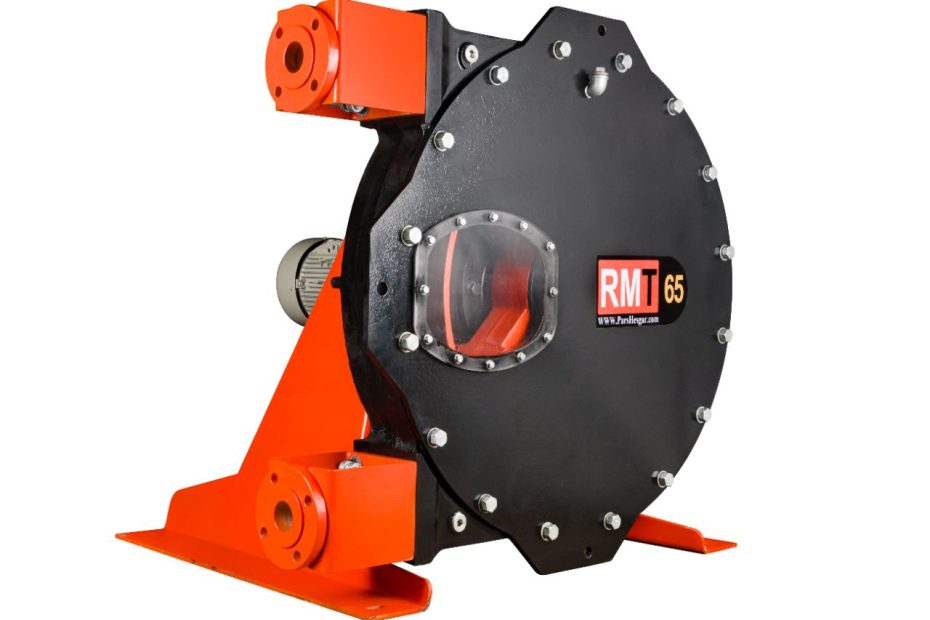
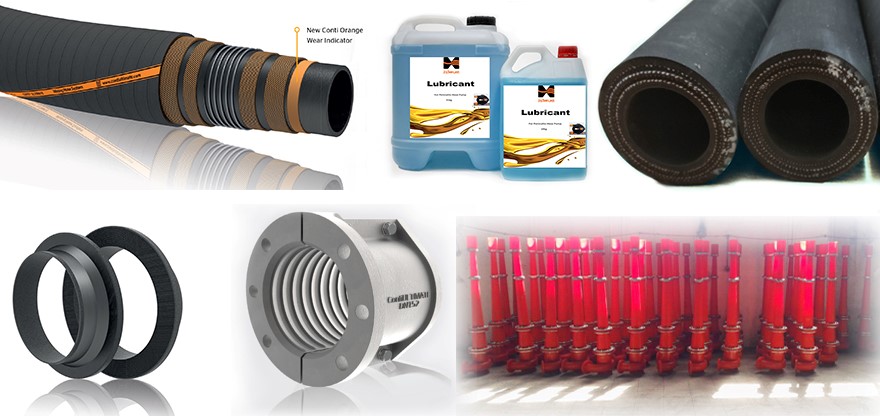
In a peristaltic hose pump, the pumped fluid normally flows through the hose, making the hose one of the primary wear and replacement components of the pump.
Therefore, unlike some industrial pump designs where casing wear can be a major factor limiting equipment service life, maintenance of a peristaltic hose pump focuses primarily on monitoring hose condition, wear rate and the appropriate hose replacement interval.
One of the important advantages of a peristaltic hose pump is its simple fluid path and the very limited number of components that are directly exposed to the pumped medium. In many applications, the hose is the main wear component, while the other major pump components experience considerably less wear.
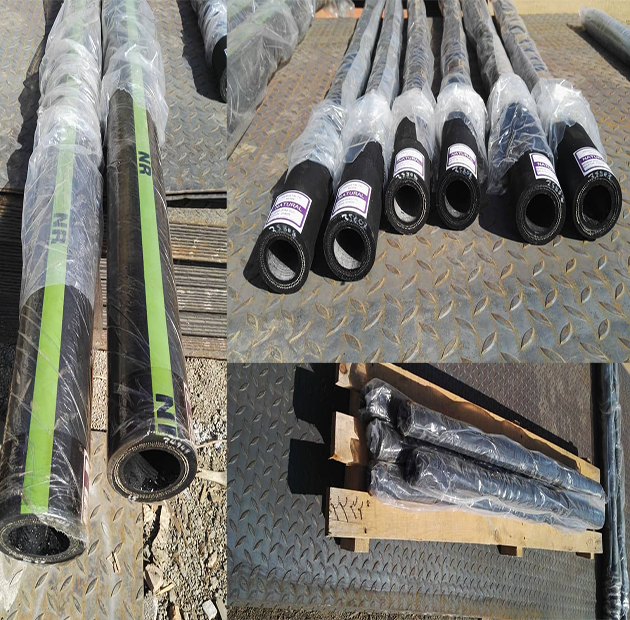
For this reason, establishing an appropriate hose replacement strategy based on actual operating conditions—including pressure, flow rate, fluid characteristics, temperature, rotational speed and wear—can significantly improve pump reliability.
This does not mean that the other pump components can be ignored. The casing, shoes or pressure components, bearings, shaft, seals and other mechanical parts should also be inspected as part of a regular preventive maintenance program.
Condition Monitoring and Service Life
Regular measurement of components exposed to wear, combined with comparison of measurement results over time, is an effective way to predict when maintenance or replacement may be required.
Instead of replacing components solely according to a fixed schedule, this approach supports condition-based maintenance, allowing maintenance decisions to be based on the actual condition of the equipment.
For peristaltic hose pumps, regular inspection of the hose and other mechanical components can similarly help identify early signs of wear and reduce the risk of unexpected process interruptions.
Conclusion
Accurately estimating the service life of components such as pump casings can play an important role in reducing unexpected failures and improving industrial equipment reliability. Manual measurement, ultrasonic measurement and laser scanning are among the techniques that can be used to monitor component condition and support informed maintenance decisions.
In peristaltic hose pumps, the design is different, and the hose is typically the primary wear component. The very low wear of many other components compared with the hose is an important characteristic of peristaltic hose pumps, particularly in applications involving abrasive, corrosive or solids-containing fluids.
Therefore, selecting the correct hose and monitoring its condition, together with periodic inspection of the other pump components, can help extend equipment service life, reduce maintenance costs and minimize unplanned production downtime.
source: https://t.me/pumpindustryevents